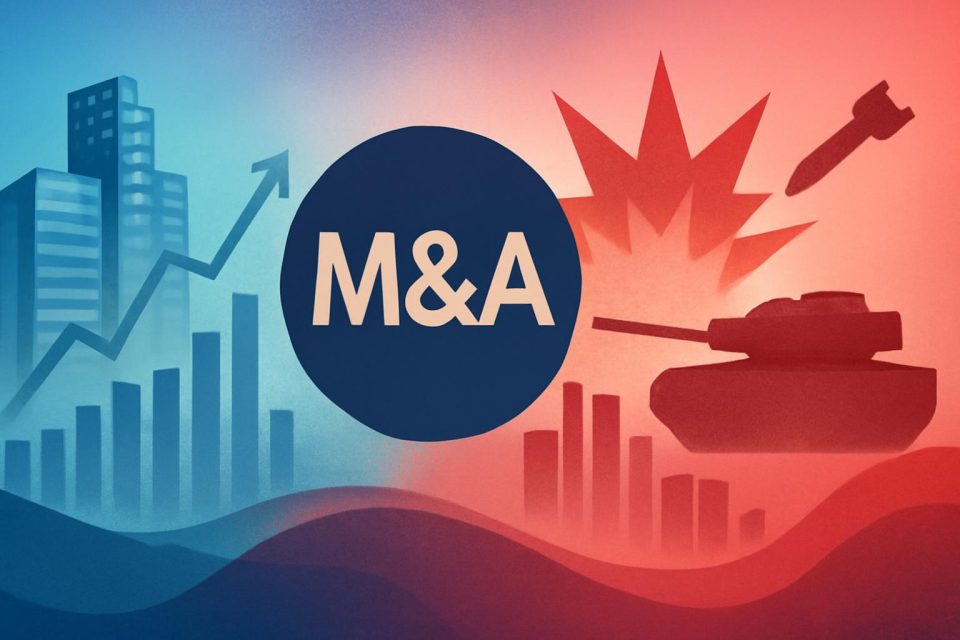
The ongoing conflict with Iran could potentially slow down the pace of mergers and acquisitions (M&A), but it is not expected to significantly disrupt overall M&A activity, according to Mark McMaster, Lazard Inc.’s global head of mergers and acquisitions.
McMaster emphasized that the duration of the conflict is a critical factor. He noted that investors are closely monitoring oil prices, inflation, and possible supply chain disruptions. If the conflict is short-lived, dealmaking is likely to continue with minimal interruptions.
Current Trends in M&A
Despite geopolitical uncertainties, several trends are supporting M&A activity:
- Large corporate buyers are active, with deals exceeding $10 billion up approximately 120% compared to the previous year, now representing about 30% of the market.
- Midsize companies are refining their portfolios by divesting slower-growing segments and concentrating on areas with better long-term growth prospects.
- Take-private transactions are ongoing, especially among smaller firms facing operational challenges.
Financing Landscape
McMaster pointed out that while capital remains accessible in both public and private markets, the costs are higher. Companies are advised to explore multiple financing avenues simultaneously to secure optimal terms.
Lender Selectivity: Lenders are becoming more discerning, focusing on stricter underwriting standards. Strong companies are likely to secure financing, while those of lesser quality may face challenges.
Valuation Challenges
Persistent valuation discrepancies in public company deals pose a challenge, as buyers and sellers often struggle to agree on pricing amid market volatility. McMaster noted that leverage could exacerbate fluctuations in sectors such as software.
Future of M&A
Artificial intelligence is anticipated to be a significant driver of future deal activity, particularly in infrastructure and AI-focused transactions. McMaster mentioned that while 2025 is expected to be a robust year for software M&A, uncertainties regarding valuations, especially for private equity buyers, persist.
“The terminal value is the question,” he stated, highlighting concerns about how pricing relates to previous investments.