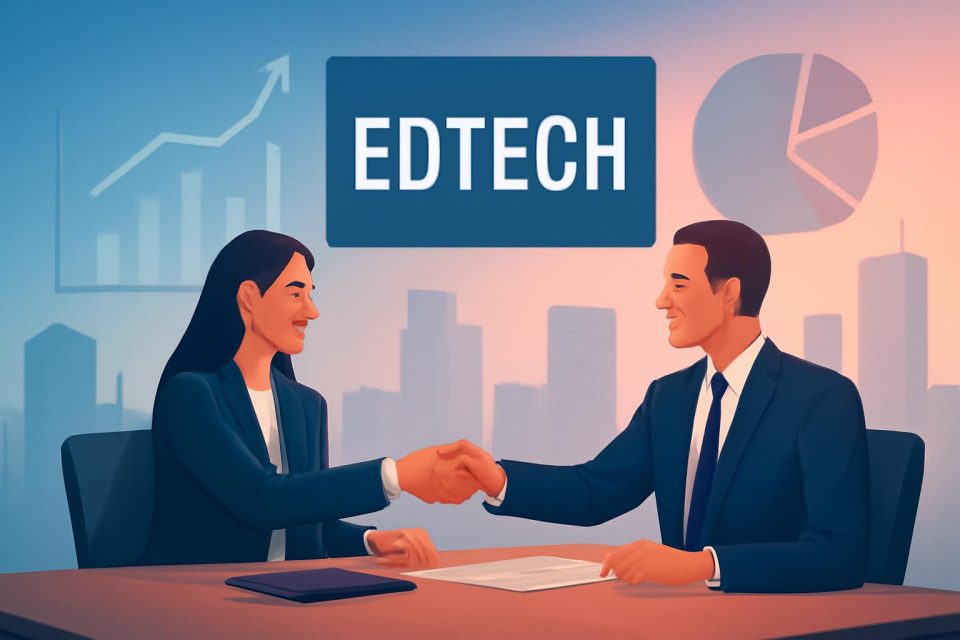
upGrad's negotiations to acquire Unacademy have resumed, with co-founder Ronnie Screwvala announcing a term sheet for an all-stock transaction. This development comes after previous talks collapsed due to valuation disagreements.
A notable aspect of this deal is the public disclosure of a break fee, which is uncommon at this stage of negotiations. Typically, break fees are associated with larger mergers and acquisitions, but they are rarely mentioned before final agreements are in place.
What the Break Fee Means
The break fee serves as a financial deterrent against abandoning the deal. For Unacademy’s investors, this is particularly significant because the proposed acquisition involves a 100% share swap, meaning they would receive upGrad stock instead of immediate cash. The valuation of Unacademy will only be revealed upon closing the deal.
Investor Implications
Legal experts indicate that the break fee adds a layer of commitment to the transaction, potentially reassuring stakeholders who are looking for an exit strategy following a decline in Unacademy’s valuation. The clause also suggests that both parties are serious about finalizing the deal.
Challenges for Investors
The all-stock nature of the deal complicates matters for Unacademy’s investors. They face a lack of immediate liquidity and must rely on the future value of upGrad shares. Concerns have been raised regarding liquidation preferences, which could leave common shareholders with little or nothing if the deal is struck at a significantly lower valuation than previous funding rounds.
Legal Perspectives
Experts have noted that while break fees are common in Western markets, their use in Indian startups is still developing. Screwvala’s public mention of the break fee is seen as a signal of commitment, but it also raises questions about the clarity and enforceability of such clauses in the Indian context.
Conclusion
The upGrad-Unacademy deal, marked by the unusual public disclosure of a break fee, highlights the complexities involved in mergers and acquisitions within the edtech sector. Investors will need to navigate these challenges carefully as the transaction progresses.