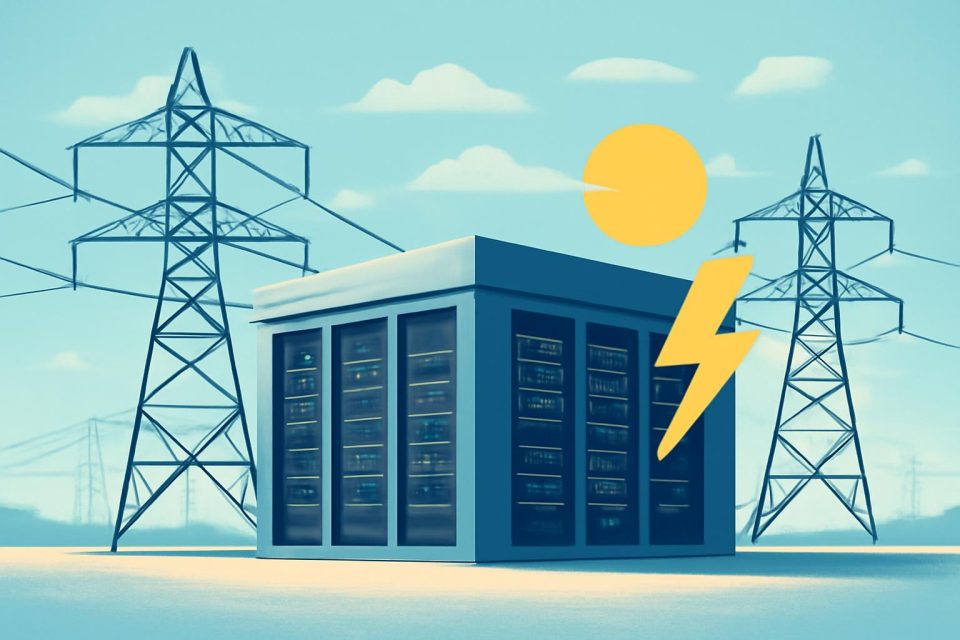
Google has entered into partnerships with five electricity providers across the U.S., from Arkansas to Minnesota, to manage its power consumption during peak demand periods. This initiative is part of Google's strategy to secure energy for its rapidly growing data centers, which are essential for developing energy-intensive technologies.
As demand for electricity surges, particularly on extreme weather days, the risk of rolling blackouts increases. Google aims to mitigate this by implementing 'demand response' agreements, allowing the company to reduce its electricity use at specific data centers when the grid is under strain.
Key Details of the Agreements:
- Google will make up to 1 gigawatt of its electricity demand available for reduction during peak usage times.
- This initiative is crucial as power supplies are becoming increasingly limited in various regions.
- Google's partners include Entergy Arkansas, Minnesota Power, and DTE Energy, complementing previous agreements with Indiana Michigan Power and the Tennessee Valley Authority.
Michael Terrell, Google's head of advanced energy, emphasized the importance of these agreements in meeting future energy demands. The contracts are designed to help utilities manage their resources more effectively, especially during high-demand periods.
Why It Matters: With the growing reliance on data centers for artificial intelligence and other technologies, securing a stable power supply is critical for tech companies. These agreements not only help Google maintain operations but also contribute to grid stability across the regions involved.
As the energy landscape continues to evolve, such collaborations between tech giants and utility providers may become more common, reflecting the need for sustainable energy management in the face of increasing demand.