Rivian has announced a delay in its target to achieve positive EBITDA by 2027, attributing this setback to significant investments in autonomous vehicle technology. The company's recent regulatory filing revealed that rising research and development costs are impacting its profitability timeline.
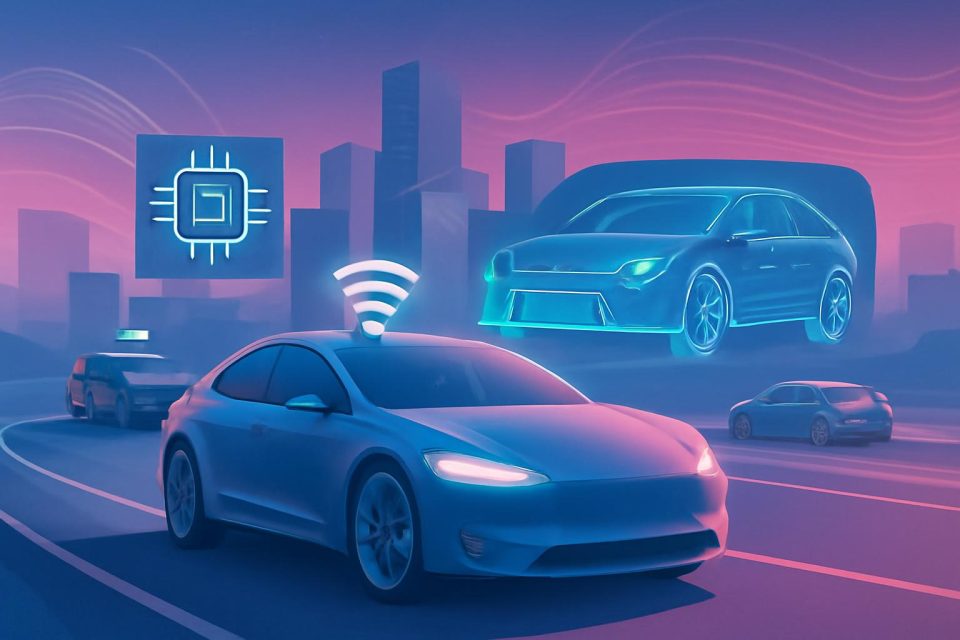
The company’s founder and CEO, RJ Scaringe, stated that Rivian is currently allocating more resources to developing self-driving technology than any other area. This includes the creation of a custom processor and an autonomy computer, with plans to introduce hands-free driving capabilities next year.
Financial Challenges
Rivian had previously communicated to shareholders that reaching positive EBITDA by 2027 was contingent on the successful launch of its R2 SUV and an increase in software revenue. However, the company faces several hurdles:
- The discontinuation of federal EV tax credits.
- Reduced ability to sell regulatory credits to other manufacturers.
- Increased costs stemming from tariffs.
Analysts, including Joseph Spak from UBS, have expressed skepticism about Rivian's ability to achieve profitability in the near future, citing the company's cumulative net losses of $27 billion since its inception.
Investment in Autonomy
In 2025, Rivian reported a substantial increase in R&D spending, totaling $1.7 billion, up from $1.6 billion in 2024. This increase was attributed to rising engineering, design, and software development costs related to the R2 launch and autonomy initiatives.
Rivian's recent partnership with Uber aims to develop robotaxi versions of its upcoming R2 SUV, with Uber committing up to $1.25 billion. Initially, Uber will invest $300 million and order 10,000 R2 SUVs, with further orders expected by 2030.
Future Plans
In addition to its autonomy efforts, Rivian is preparing to build a new factory in Georgia and is gearing up for the production of the R2 SUV. The company anticipates spending between $1.95 billion and $2.05 billion this year as it navigates these ambitious projects.
As Rivian continues to push into the autonomous vehicle market, the implications for its financial health and operational strategy will be closely monitored by investors and industry analysts alike.