Synopsis
The project envisages setting up space-based AI computing, enabled by solar-powered satellites that could host data centres in orbit. From 100 kilowatts initially, they are expected to scale to megawatt levels, using constant solar energy to reduce costs compared to earth-based systems. Two types of chips are planned — one for terrestrial applications, such as Tesla’s vehicles and robotics, and another, called D3, tailored for space environments.Listen to this article in summarized format
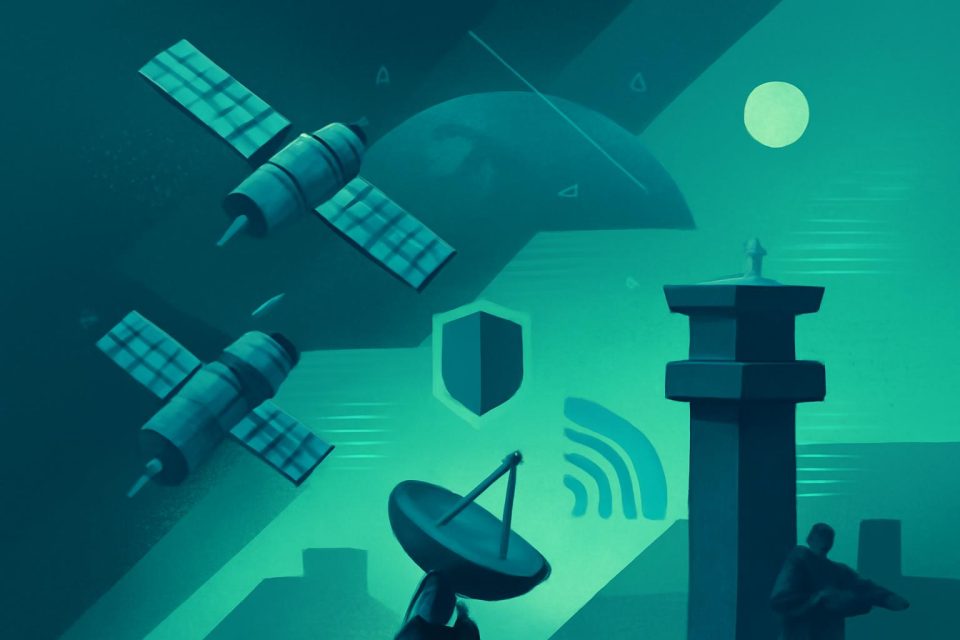
Musk announced that the central part of this project is space-based artificial intelligence (AI) computing, enabled by solar-powered satellites that could host data centres in orbit.
These satellites are expected to initially operate at around 100 kilowatts and potentially scale to megawatt levels, leveraging constant solar energy to reduce costs compared to earth-based systems.
The project aims to vertically integrate the entire chip development process, from design and testing to manufacturing, within a single facility, an approach that differs from the current industry model, where responsibilities are split across companies.
The goal of Terafab is to produce a terawatt-scale compute capacity annually to support autonomous vehicles, humanoid robots like Tesla’s Optimus, and future AI infrastructure.
Two kinds of chips are being planned. These are chips for terrestrial applications, such as Tesla’s vehicles and robotics, and another kind of chips, called D3, tailored for space environments.
“The goal is to produce over a TERAWATT of compute per year (logic, memory and packaging) with ~80% for space and ~20% for the ground,” Musk wrote in a post on X.
Musk outlined during the Saturday launch that the goal is to meet the massive future demand for chips driven by space-based solar power systems, AI satellites, and large-scale deployment of Tesla Optimus robots.
“All of these need chips: 100-200GW of chips for Optimus alone, plus terawatts for solar-powered AI satellites. That's more than all the chip manufacturers in the world combined can provide today, or even by 2030 (based on projected production growth),” Tesla wrote in a post on X.
Terafab is hence being positioned as a way to bridge this gap between existing manufacturing capabilities and the scale needed for future space and AI ambitions.
The vision of building a “galactic civilisation” through Terafab fits into a broader pattern of highly ambitious goals that Elon Musk has outlined over the years. In recent years, these ideas have faced repeated delays and missed initial timelines.
The latest announcement also comes shortly after SpaceX indicated a shift in near-term priorities from Mars to the Moon, suggesting that its longer-term plans for a Mars colony may take more time to materialise than previously anticipated.
There is limited clarity on how the costs of building the Terafab will be split between SpaceX and Tesla, though reports suggest that Tesla is likely to shoulder a larger share of the financial burden.