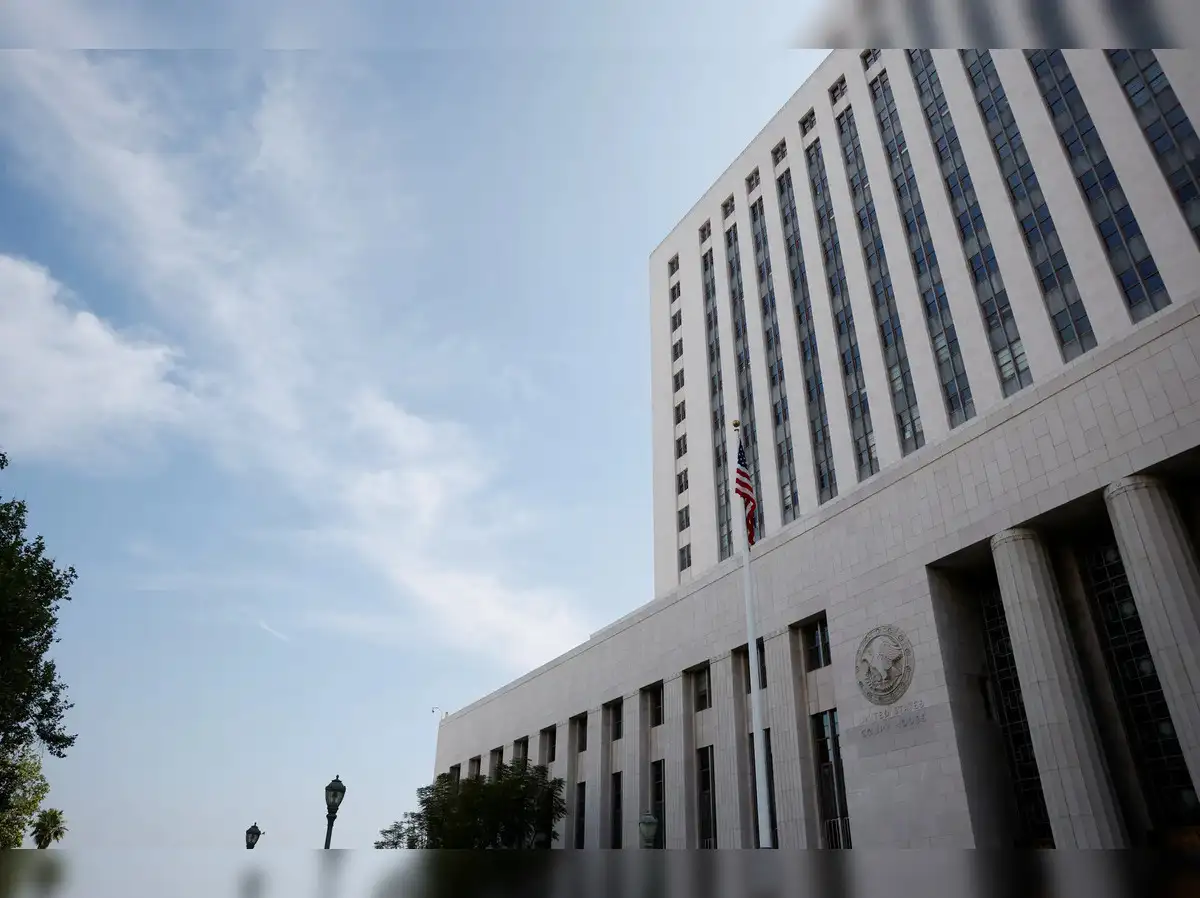
The Supreme Court on Wednesday upheld the government’s powers to withdraw electricity duty exemptions for captive power plants, ruling in favour of Maharashtra in a 25-year-old dispute with companies such as Reliance Industries Ltd.
A bench of Justices P.S. Narasimha and Alok Aradhe upheld the validity of the state’s notifications of 1 April 2000 and 4 April 2001 to withdraw the exemption and impose electricity duty on power generated and consumed by industries.
However, the court ruled that the withdrawal should not take effect immediately. It directed that the notifications would come into effect only after a one-year period from their respective dates, giving companies time to adjust their finances and operations.
In our view, interest of justice would be adequately served by treating the impugned notifications as taking effect only after the expiry of a reasonable notice period… a period of one year would constitute a reasonable notice,” the court said in its order.
Reliance Industries and Jindal Poly Films Ltd, another company involved in the dispute, have yet to respond to queries emailed on Wednesday.
Legal experts flagged risks around policy certainty.
“From an investment perspective, the concern is not the duty itself but the uncertainty it introduces,” said Keyur D. Gandhi, managing partner at Gandhi Law Associates. “Captive power projects are typically justified on long-term cost stability. If exemptions can be withdrawn later, it weakens predictability.”
The dispute traces back to Maharashtra’s 1993 industrial policy, which promised exemption from electricity duty to encourage industries to set up captive power plants and reduce reliance on the grid. However, in April 2000, the state withdrew the exemption and imposed a duty of 30 paise per unit. This was later reduced to 15 paise per unit through a 2001 notification.
The move triggered litigation, with companies arguing that they had made long-term investments based on the promise of tax exemptions.
In 2009, the Bombay High Court ruled in favour of companies, striking down the state’s decision and granting full exemption for the period between April 2000 and April 2005, according to that order. It had termed the government’s action arbitrary and lacking proper justification.
The Maharashtra government challenged the high court verdict in the top court.
The Supreme Court, however, disagreed with this view. It held that tax exemptions are a policy concession and not a permanent right, and the government retains the authority to modify or withdraw them in public interest.
At the same time, the Supreme Court emphasized that such policy changes must be implemented fairly, without causing sudden hardship to businesses that relied on earlier incentives.
The court noted that electricity duty is a key source of revenue for the state and decisions around exemptions require balancing industrial growth with fiscal stability. “The decision relating to levy or exemption… involves balancing the need to encourage industrial growth against the requirement of maintaining fiscal stability,” the judgment said.