Synopsis
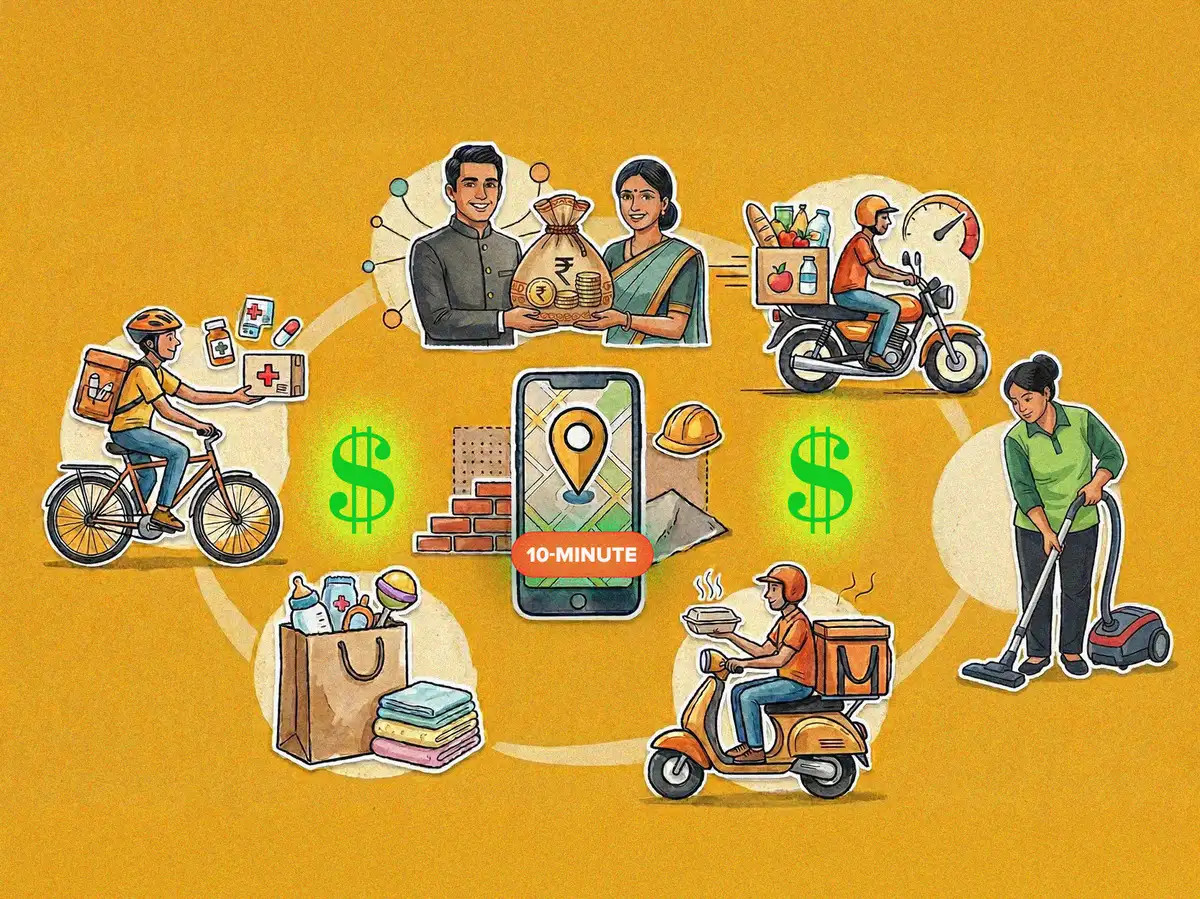
India’s quick commerce boom, best known so far for grocery deliveries, is rapidly spilling into categories such as food, baby care, construction material and medicine, even as questions over unit economics and scalability refuse to go away.Food, construction materials, medicines, baby care and house help are among a multitude of products and services that are now delivered within 10 minutes to an hour, with several startups emerging over the past year to address the growing consumer demand for immediate fulfilment. While the segment has attracted significant investor interest, industry experts say questions remain about how some of these startups that specialise in niche areas will scale and make money. Startups in the quick commerce segment raised $586 million across verticals between January 2025 and March 2026, according to Tracxn data. Companies that have raised funds or are in discussions with investors include FirstClub, Swish, Knot, Dazzl, Plazza, Ozi and HomeRun.
HomeRun offers construction and home-improvement materials in 60 minutes in Bengaluru. It is in talks to raise Rs 100 crore in a round led by Nexus Venture Partners, people aware of the matter said.
Speed Vs Sustainability
Dazzl, founded by former Nexus Venture Partners executive Komal Solanki, provides beauty services in 10-minutes. It raised $3.2 million from Stellaris Venture Partners and others in January.
Plazza is bringing the quick commerce model to the online pharma space dominated by Tata Digital's 1mg and Apollo 24/7. The startup delivers medicines in 10-15 minutes within a 3-4 km radius. “This hasn’t been done before in pharma,” says founder Aman Priyadarshi. “If a medicine exists in Bengaluru, you will get it from us 24/7, and you will get it fast.”
While these startups are expanding operations, driven by consumer demand that is currently growing, industry experts worry about the sustainability of platforms solely built on speed.
The success of quick commerce, and its extensions, depends on balancing demand with supply economics, say experts. Replicating the grocery playbook may not work for all, because each category has a different customer base, repeat rate, basket size and supply chain. In January, the government told quick commerce companies to drop the 10-minute messaging from their branding and advertising, citing worker safety.
Expansion and scale
Instant house-help was among the first big segments to emerge a year ago, with the likes of Snabbit and Pronto challenging the established online services marketplace Urban Company. Accel-backed Pync, which provided house-help services on schedule, shut down in January this year as its founders joined Snabbit.
RTP Global-backed Ozi and Stellaris-funded Peeko, focused on rapid delivery of babycare essentials, are carving out demand in a niche segment. As the category gains momentum, baby and kids’ products retailer FirstCry expanded its ‘Qwik’ services to certain localities in Bengaluru, Pune and Hyderabad in March, expecting to clock 60,000 orders this month alone.
“Delivering fast is a necessity rather than a value proposition in today’s world,” said Ozi founder Amit Sah. Ozi has about 15,000-16,000 stock-keeping units compared with typical horizontal quick commerce that have 2,500-2,600 SKUs for baby products, he said.
Anant Vidur Puri, partner at Bessemer Venture Partners, believes this expansion of verticals is part of a broader shift in consumer internet evolution. According to a report by the VC firm, the rise of quick commerce marks the second major wave of India’s consumer internet evolution after the first wave marked the entry of online commerce.
“If you go back to the history of the internet, it started with ecommerce, and then there were some attempts to make faster deliveries happen back in 2015-16. They didn’t work at that time. Covid dramatically accelerated internet adoption, online adoption and e-commerce,” said Puri.