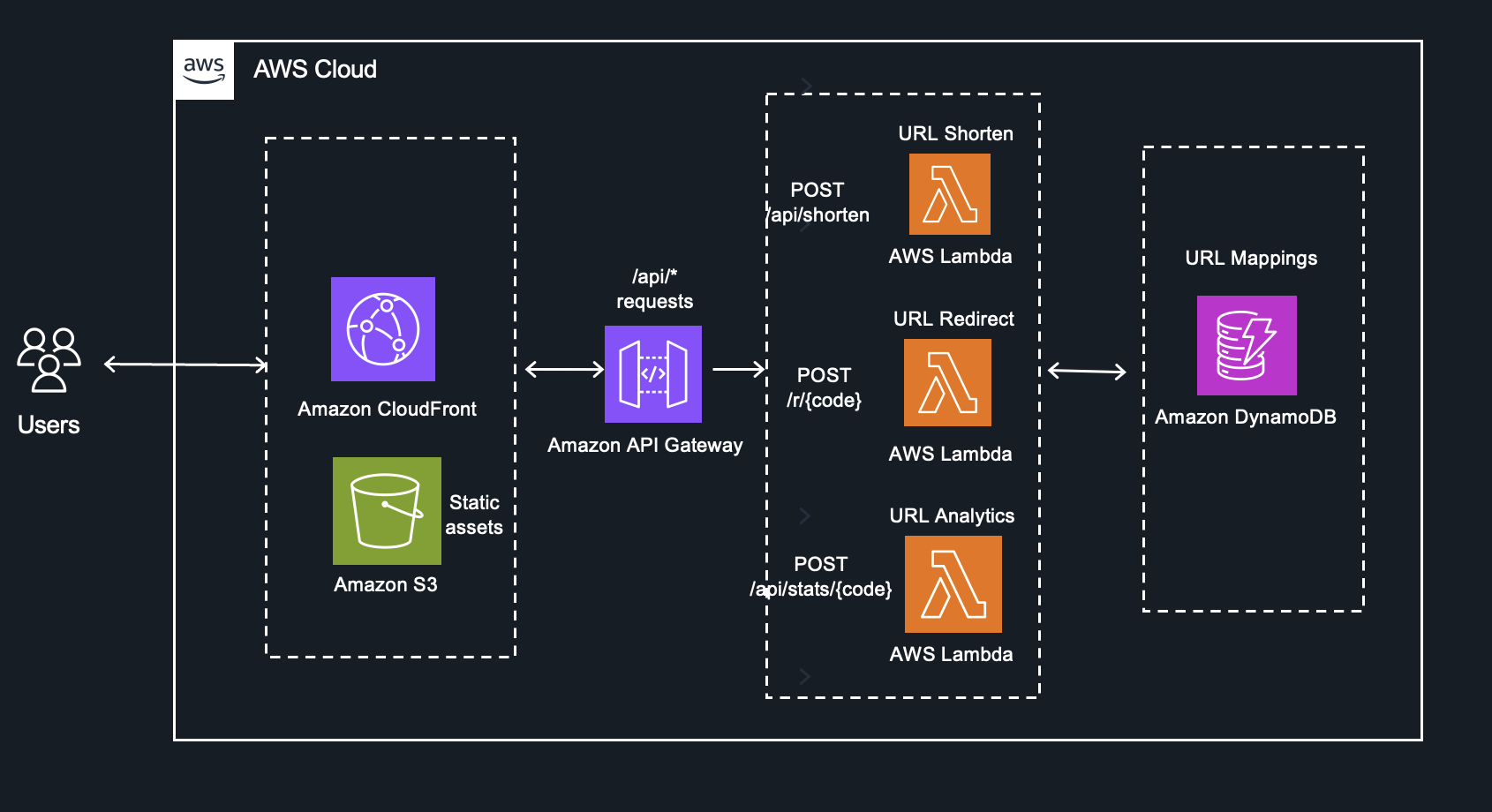
Managing distributed workloads presents significant challenges for teams, particularly when incidents arise. Information required for resolution is often scattered across logs, deployment pipelines, and various monitoring tools. Site Reliability Engineers (SREs) frequently find themselves manually correlating data from multiple sources, a time-consuming process that can take hours.
To address these challenges, AWS DevOps Agent emerges as a vital operational teammate. This tool not only resolves incidents but also proactively prevents them, enhancing application reliability and performance across diverse environments including AWS, multicloud, and on-premises setups.
What sets AWS DevOps Agent apart from traditional coding tools is its ability to integrate context from various accounts and systems, ensuring comprehensive incident management. By leveraging topology intelligence and continuous learning, the agent reduces Mean Time to Resolution (MTTR) from hours to mere minutes.
Getting Started with AWS DevOps Agent
Before implementing the AWS DevOps Agent, ensure the following:
- You are an SRE at a SaaS company utilizing a serverless architecture for a URL shortener service.
- Your application tracks analytics and redirects users to original URLs.
This straightforward architecture can become operationally complex, especially when diagnosing latency issues that may arise from various sources like DynamoDB throttling or Lambda cold starts. Here, the AWS DevOps Agent proves invaluable.
Autonomous Incident Detection and Resolution
In a recent demonstration, the AWS DevOps Agent autonomously detected and diagnosed a production incident in just four minutes. Triggered by a CloudWatch alarm due to elevated 5xx errors, the agent systematically tested hypotheses, identifying DynamoDB write throttling as the root cause. Within five minutes, it provided a complete root cause analysis along with mitigation recommendations via Slack.
Key Capabilities of AWS DevOps Agent
Unlike simple coding agents, AWS DevOps Agent is built on a robust infrastructure that includes:
- Agent Spaces: Isolated logical containers that provide cross-account access to essential resources.
- Learning Agent: Analyzes infrastructure and telemetry to generate an inferred application topology.
- Governance and Control: Centralized management of what the agent can access, ensuring security and compliance.
These capabilities allow the agent to maintain a comprehensive understanding of application dependencies and operational contexts, enabling it to swiftly identify and resolve issues.
Streamlined Access and Collaboration
With a single configuration of an Agent Space, all team members gain immediate access to the agent's operational context without needing individual setups. This consistency significantly reduces onboarding time for new engineers, allowing them to quickly engage with the system.
Real-World Impact
Organizations like Western Governor’s University (WGU) have reported substantial improvements in incident resolution times after deploying the AWS DevOps Agent. In a recent case, they reduced total resolution time from two hours to just 28 minutes, showcasing a 77% improvement in MTTR.
Similarly, Zenchef utilized the agent to resolve an API integration issue during a company event, completing the investigation in 20-30 minutes, which marked a 75% reduction in resolution time compared to manual efforts.
Conclusion
AWS DevOps Agent is not just another tool; it represents a paradigm shift in operational excellence. By significantly reducing the operational burden of incident response and fostering continuous learning, it enables teams to respond to incidents more efficiently and effectively.