Synopsis
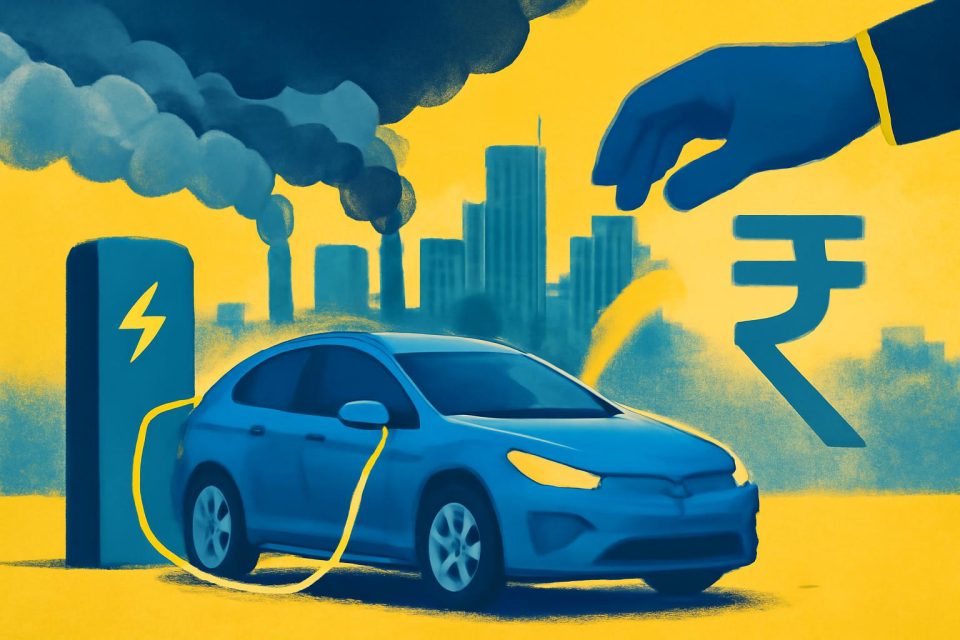
Union Minister Pralhad Joshi criticized Karnataka's decision to withdraw road tax exemptions for electric vehicles, warning it could increase India's crude import bill and hinder climate goals. He argued the move, aimed at raising Rs 250 crore, is fiscally shortsighted and contradicts global clean mobility incentives.In a video message posted on X, Joshi said the state government’s decision—aimed at mopping up about Rs 250 crore—was “insignificant” relative to Karnataka’s Rs 3.5 lakh crore budget, but could have disproportionate economic and environmental consequences. He argued that the policy reversal comes at a time when countries globally are incentivising clean mobility to cut emissions.
The comments follow the passage of the Karnataka Motor Vehicles Taxation (Amendment) Bill, 2026, which withdraws road tax exemptions on a range of EVs, including cars, jeeps and buses, while retaining the exemption for two-wheelers. The revised regime extends lifetime tax to most battery-operated vehicles, replacing the earlier threshold that applied only to vehicles priced above Rs 25 lakh.
“The government must understand that such measures will push consumers back towards petrol and diesel vehicles, increasing pollution,” Joshi said, adding that India’s dependence on imported crude could worsen, especially amid rising global prices linked to geopolitical tensions in the Persian Gulf.
He further alleged that the move reflects an attempt to boost revenues from fuel consumption, as higher use of internal combustion engine vehicles would translate into increased tax collections on petrol and diesel.
Calling the decision “fiscally shortsighted,” Joshi said it points to stress in state finances and a lack of fiscal discipline, despite the broader national interest in promoting clean mobility.
Under the new structure, EVs priced below Rs 10 lakh will attract a 5% lifetime tax, those between Rs 10 lakh and Rs 25 lakh will be taxed at 8%, and vehicles above Rs 25 lakh will face a 10% levy. For already registered vehicles, owners will be required to pay a proportion of the lifetime tax—ranging from 93% for newer vehicles to 25% for those older than 15 years, with rates tapering as vehicles age.
The levy will come into force once notified by the state government, following which Regional Transport Offices (RTOs) will begin collections after integrating the changes into their systems.