Synopsis
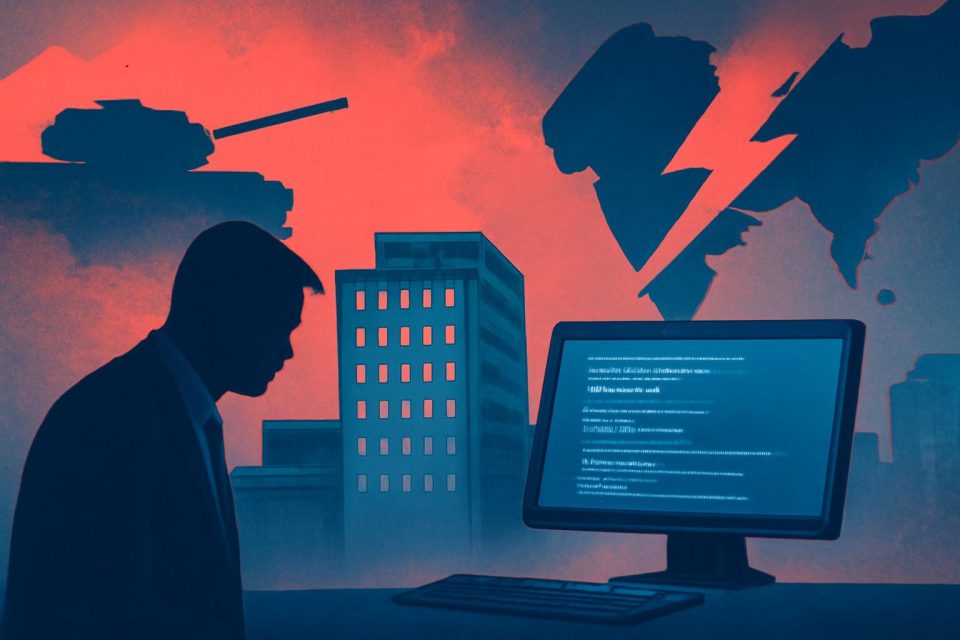
Indian IT firms face moderate short-term risks from the West Asia war, particularly those with energy and utility clients. Geopolitical uncertainty may delay discretionary spending and new projects, impacting growth guidance despite currency tailwinds. Specific companies like Tech Mahindra and Coforge are noted to have direct exposure to regional impacts.“The ongoing Middle East crisis poses a moderate short-term risk to Indian IT firms with exposure to regional energy and utility clients. Geopolitical uncertainty may delay discretionary spending and new projects, while raising operational concerns regarding infrastructure resilience, travel, and employee safety,” analysts at HDFC Institutional Research noted.
Companies such as Tata Consultancy Services, Infosys, HCLTech, Wipro and Birlasoft derive 6-17% of their revenue from the energy & utilities sector, but the impact on existing projects is expected to remain contained, as most delivery operations are anchored offshore in India and mission-critical programmes typically persist despite regional volatility, they said.
Geopolitical risk adds uncertainty to global macro conditions and enterprise spending visibility, said Kotak Institutional Equities. These factors, alongside the impact of generative AI productivity programmes on pricing, are expected to limit growth guidance despite existing deal pipelines.
Analysts across brokerages have cited these concerns, even as the $297 billion industry stands to get a revenue boost of 10-60 basis points (0.1-0.6 percentage points) because of the depreciation of the rupee against the dollar.
Despite the currency tailwinds, brokerages estimate a muted quarter for the IT services sector, with revenue forecasts ranging from a 0.5% fall to 3.5% growth sequentially on average, as the currency tailwinds get partially offset by large deal ramp-up costs, wage hikes and hedging losses. The ongoing geopolitical tensions only add to the clouded outlook, brokerages said.
Tech Mahindra and LTM face direct impact from the regional situation.
According to ICICI Securities, Tech Mahindra, which has a less than 5% exposure to the Middle East, is projected to see a 0.3% contraction in revenue sequentially in the quarter ended March 31 in constant currency. This includes a $1-2 million revenue reduction attributed to the conflict and lower performance in its Comviva business.
LTM revenue growth is estimated to be 1.3% in constant currency, a reduction from the 2% forecast at the start of the quarter. This revision follows billing deferrals in the Gulf market that contributes 2% to the company's revenue.
Analysts at Morgan Stanley highlighted Tech Mahindra’s revenue risk due to the Comviva business’ exposure to the Middle East, which it said could add to the seasonal weakness in the quarter. It also highlighted potential weakness in HCLTech’s software business.
Analysts across Kotak, Motilal Oswal and HSBC said Coforge’s travel vertical could see some direct impact because of the conflict. While Motilal Osal said the company could be facing some engagement delays, there has been no recorded revenue impact yet.
While total contract values remain consistent with the average of the past four quarters, brokerages are awaiting management commentary on second-order impacts on the industry.
Current data sets are backward looking, and demand will be affected if the war persists, Motilal Oswal said. ICICI Securities said while companies have not yet seen delays in deal closures due to energy price uncertainty, the potential for impact remains if the conflict intensifies.