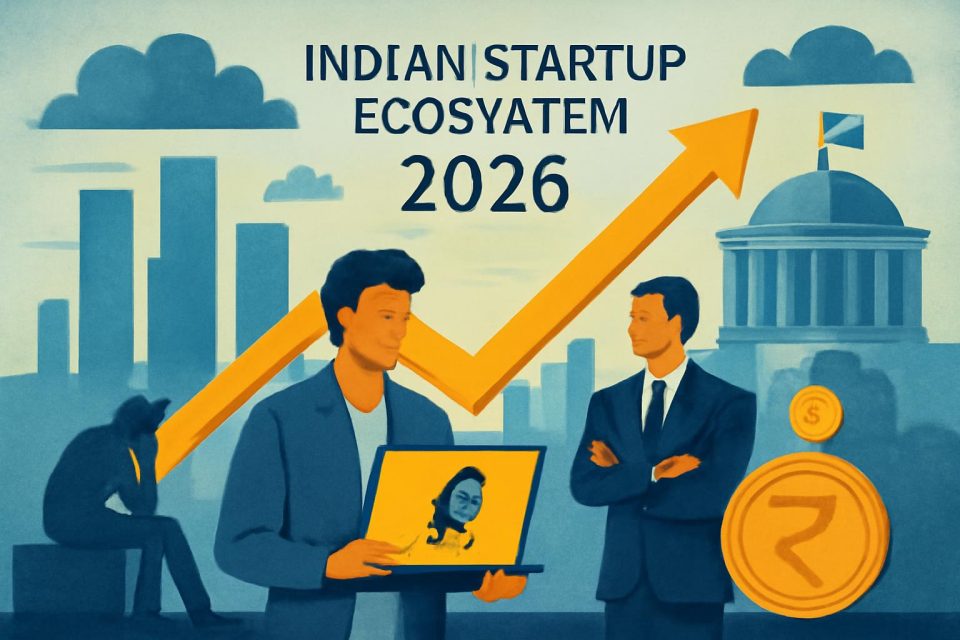
The Indian startup ecosystem began the second quarter of 2026 on a positive note, with KreditBee successfully raising $280 million in a funding round that elevated it to unicorn status. However, the previous quarter presented a stark contrast, as geopolitical tensions significantly impacted investor sentiment.
In Q1 2026, capital inflows into Indian startups plummeted by 26% year-over-year, totaling $2.3 billion. Notably, this quarter marked a historic low, with no funding rounds exceeding $100 million—a first since 2022.
Despite the absence of mega deals, overall funding activity increased, with 271 startup deals recorded, reflecting a 17% rise from the same period last year. This suggests a shift in investor focus towards early-stage investments rather than late-stage funding.
Factors Behind the Shift
The ongoing conflict in West Asia has contributed to a cautious approach from both global and domestic investors, affecting capital raising efforts for Indian startups. This macroeconomic instability has led to a decline in late-stage funding, with only 32 startups securing $782 million, a 16% decrease from the previous year.
Traditionally, large funding rounds in India have been supported by a mix of domestic and international investors. For example, KreditBee's recent round was led by Motilal Oswal Alternates, with participation from global investors like Hornbill Capital and Dragon Funds. However, the current global capital landscape has shifted, prompting many international investors to prioritize opportunities closer to home.
Domestic Capital Dynamics
As international interest wanes, domestic venture capital firms are increasingly relying on local limited partners (LPs) for funding. A survey indicated that 74% of investors plan to raise capital from domestic sources in the upcoming funding cycle, indicating a significant shift in LP preferences.
Factors such as rupee depreciation, increased participation from high-net-worth individuals (HNWIs), and the rise of government-backed funds like SIDBI have made domestic capital more accessible. However, challenges remain for larger funding rounds, which still require international participation.
Evolution of the Startup Landscape
The current environment is pushing startups towards a more fundamentals-driven approach, emphasizing profitability over rapid growth. Investors are now aligning their expectations with those of public market investors, focusing on demonstrated viability rather than just growth potential.
This shift is leading many late-stage startups to consider public offerings instead of seeking large private funding rounds. In 2026, five startups have already gone public, including Aye Finance and Fractal Analytics, with others like OYO and Zepto preparing for IPOs after previous large funding rounds.
Market Volatility and Future Outlook
Despite the IPO momentum, heightened geopolitical tensions have created volatility in the equity markets, affecting investor sentiment. The Nifty 50 and Sensex indices have both experienced significant declines since the onset of the conflict, prompting some companies, including PhonePe, to pause their public listing plans.
Looking ahead, there is optimism that mega deals may return in the second quarter of 2026 as many late-stage startups reassess their strategies in light of current market conditions.