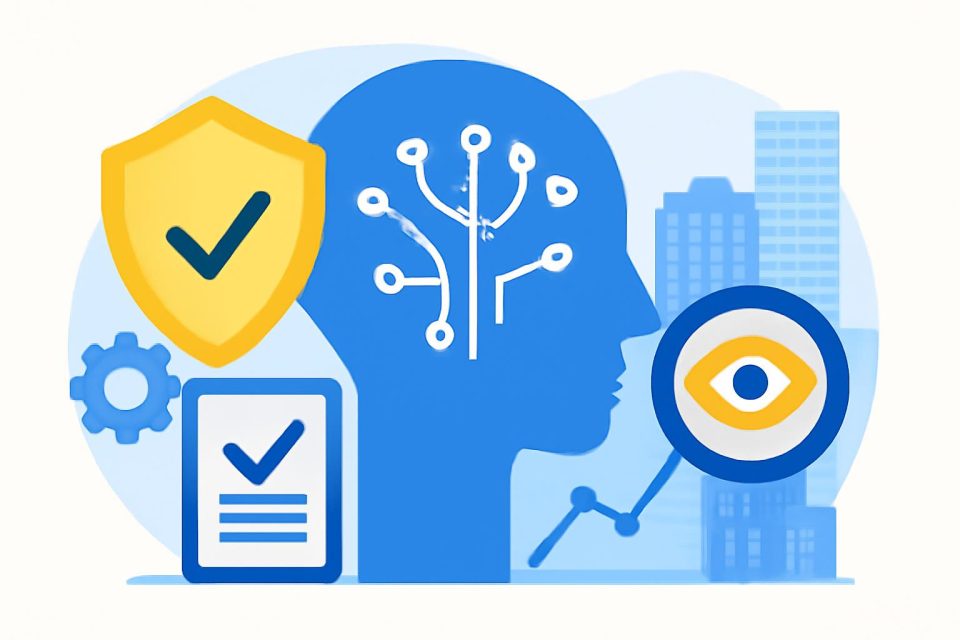
As AI tools become increasingly integrated into various aspects of life, understanding how to use them responsibly is crucial. This guide outlines best practices to ensure safety, accuracy, and transparency when utilizing AI technologies.
Key Principles of Responsible AI Use
- Safety: Prioritize user safety by implementing measures that prevent misuse and harmful outcomes.
- Accuracy: Ensure that the information provided by AI tools is reliable and verified to avoid misinformation.
- Transparency: Maintain transparency in how AI systems operate, including their limitations and potential biases.
Why Responsible Use Matters
Responsible use of AI is essential to foster trust among users and stakeholders. It helps mitigate risks associated with misinformation and enhances the overall effectiveness of AI technologies.
Steps for Implementing Responsible AI Practices
- Educate Users: Provide training and resources to help users understand the capabilities and limitations of AI tools.
- Monitor Usage: Regularly assess how AI tools are being used to identify and address potential issues.
- Encourage Feedback: Create channels for users to report problems or suggest improvements related to AI tools.
Potential Risks and Limitations
While AI tools offer numerous benefits, they also come with risks, including:
- Propagation of biases present in training data.
- Over-reliance on AI for critical decision-making.
- Potential for misuse in harmful ways.
Next Steps for Users
Users are encouraged to stay informed about best practices and to actively engage with the evolving landscape of AI technology. By doing so, they can contribute to a responsible AI ecosystem.
For further insights on safety, consider exploring topics like Child Safety and Youth Safety.