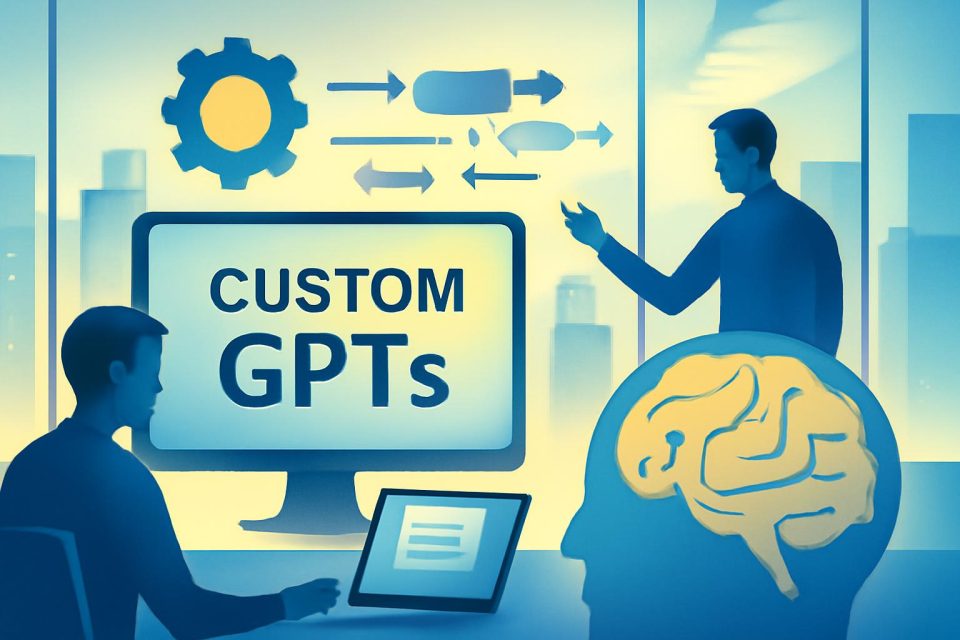
Custom GPTs offer a powerful way to automate workflows and create tailored AI assistants that meet specific needs. By leveraging these tools, users can enhance productivity and maintain consistent output in various tasks.
Benefits of Custom GPTs
Utilizing custom GPTs can lead to several advantages, including:
- Workflow Automation: Streamline repetitive tasks and reduce manual effort.
- Consistency: Ensure uniformity in responses and outputs across different applications.
- Customization: Tailor AI behavior to specific organizational needs or individual preferences.
Getting Started with Custom GPTs
Building a custom GPT involves several key steps:
- Define Objectives: Clearly outline what tasks the GPT should automate or assist with.
- Design the Workflow: Map out the processes that will be enhanced by the custom GPT.
- Develop the Model: Use available tools to create and train the GPT according to the defined objectives.
- Test and Iterate: Evaluate the performance of the GPT and make necessary adjustments.
Why It Matters
As businesses increasingly rely on technology to improve efficiency, custom GPTs represent a significant step forward. They allow organizations to harness AI's potential in a way that aligns with their unique requirements.
Next Steps
To explore the potential of custom GPTs further, interested users can refer to additional resources and case studies. For example, the article on surging developer productivity with custom GPTs provides insights into practical applications.