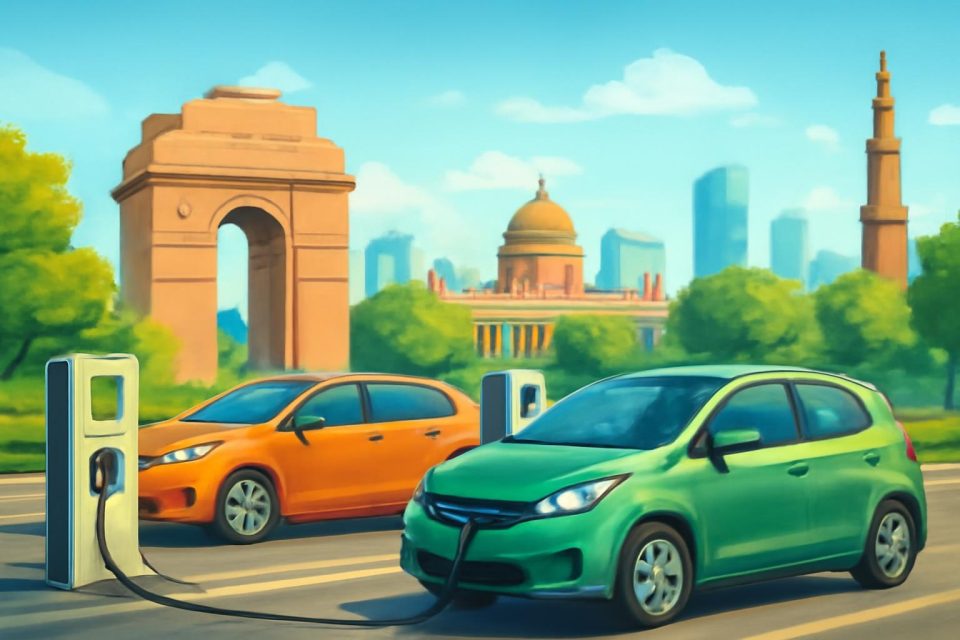
The Delhi government has introduced a draft for its electric vehicle (EV) policy covering 2026 to 2030, aiming to enhance electric mobility in the city. This initiative includes various incentives, regulatory measures, and a commitment to expanding charging infrastructure.
Launched by the transport department's EV cell, the draft policy is open for public feedback for 30 days prior to finalization.
Building on previous policies, the new framework emphasizes increasing EV adoption in key categories while also tightening electrification regulations. This move is particularly significant given the alarming air pollution levels in Delhi, where vehicular emissions contribute to approximately 23% of winter pollution.
Key segments targeted by the policy include:
- Two-wheelers, which represent about 67% of the city's vehicle population.
- Three-wheelers and commercial vehicles, which are heavily utilized.
The draft outlines a phased direct benefit transfer (DBT) system for subsidies, which will decrease over time:
- Electric two-wheeler buyers can receive up to ₹30,000 in the first year, ₹20,000 in the second, and ₹10,000 in the third.
- Electric auto-rickshaws may qualify for incentives up to ₹50,000 in the first year.
- Electric goods carriers in the N1 category can receive up to ₹1 Lakh initially.
In addition to these incentives, the policy proposes scrappage-linked benefits for those trading in older vehicles:
- ₹10,000 for scrapping two-wheelers.
- ₹25,000 for three-wheelers.
- Up to ₹1 Lakh for electric cars priced under ₹30 Lakh.
- ₹50,000 for goods carriers.
Moreover, the draft suggests a complete exemption from road tax and registration fees for most EVs, with electric cars priced above ₹30 Lakh excluded from these benefits. Cars under ₹30 Lakh will maintain full exemptions until March 31, 2030. Strong hybrid EVs will receive a 50% exemption.
The policy also includes a ban on the registration of non-electric three-wheelers starting January 1, 2027, and non-electric two-wheelers from April 1, 2028.
Beyond financial incentives, the policy aims to bolster the EV ecosystem by expanding charging networks, promoting battery swapping, and establishing systems for battery recycling and disposal.
In the recent budget for 2026-27, CM Rekha Gupta allocated ₹200 crore to support the implementation of this EV policy, aiming to reduce emissions and facilitate a greener transition for the city.
This announcement comes shortly after the Karnataka government decided to remove tax exemptions for electric vehicles, contrasting Delhi's approach.