In the realm of quick commerce, the concept of dark stores is pivotal. These are specialized warehouses designed to facilitate rapid delivery services, such as those offered by Blinkit and Zepto. In a recent podcast episode, C Sumit Anand and Rupesh Thakare, co-founders of Inamo, shared their insights into how these systems operate.
Understanding Dark Stores
Dark stores are essentially retail spaces that are not open to the public. Instead, they serve as fulfillment centers, stocked with a variety of products ready for quick dispatch. This model allows companies to meet the growing demand for fast delivery.
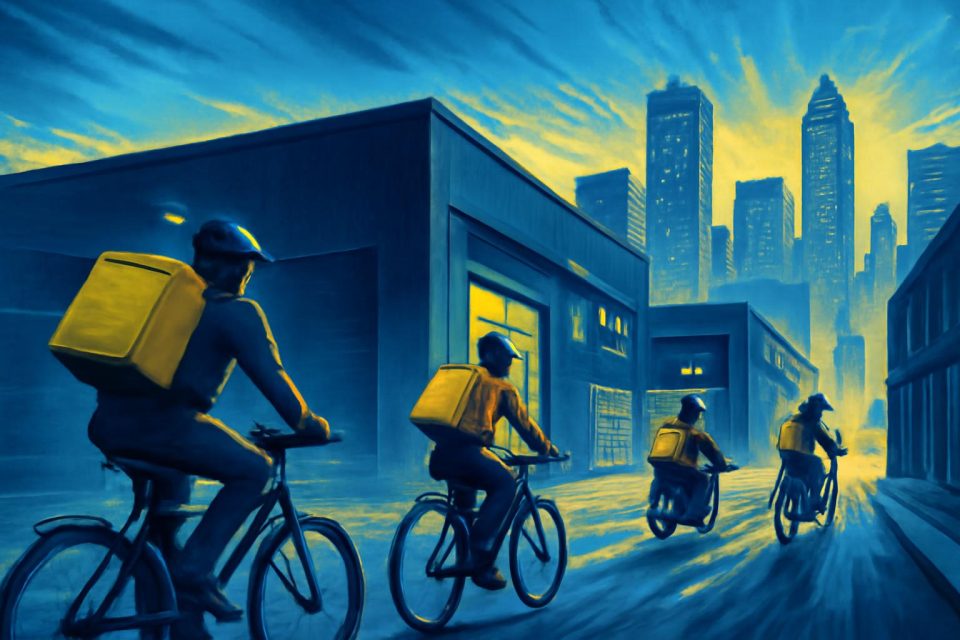
The Mechanics of 10-Minute Delivery
The success of 10-minute delivery hinges on several key factors:
- Location: Dark stores are strategically placed to minimize delivery times.
- Inventory Management: Efficient tracking and stocking ensure popular items are always available.
- Technology: Advanced logistics software streamlines order processing and dispatch.
Challenges Faced
Despite the efficiency of dark stores, several challenges persist:
- High Operational Costs: Maintaining multiple dark stores can be expensive.
- Inventory Issues: Balancing stock levels to meet demand without overstocking is crucial.
- Logistical Hurdles: Ensuring timely deliveries can be complicated by traffic and other factors.
Why It Matters
The rise of 10-minute delivery services reflects changing consumer expectations. As people increasingly seek convenience, businesses must adapt to meet these demands.
Future Outlook
As the quick commerce sector evolves, companies like Inamo will continue to innovate. The focus will likely remain on enhancing efficiency and expanding service areas to capture a larger market share.
Key Takeaways
- Dark stores play a crucial role in the quick delivery model.
- Strategic location and technology are essential for success.
- Operational challenges must be addressed for sustainable growth.