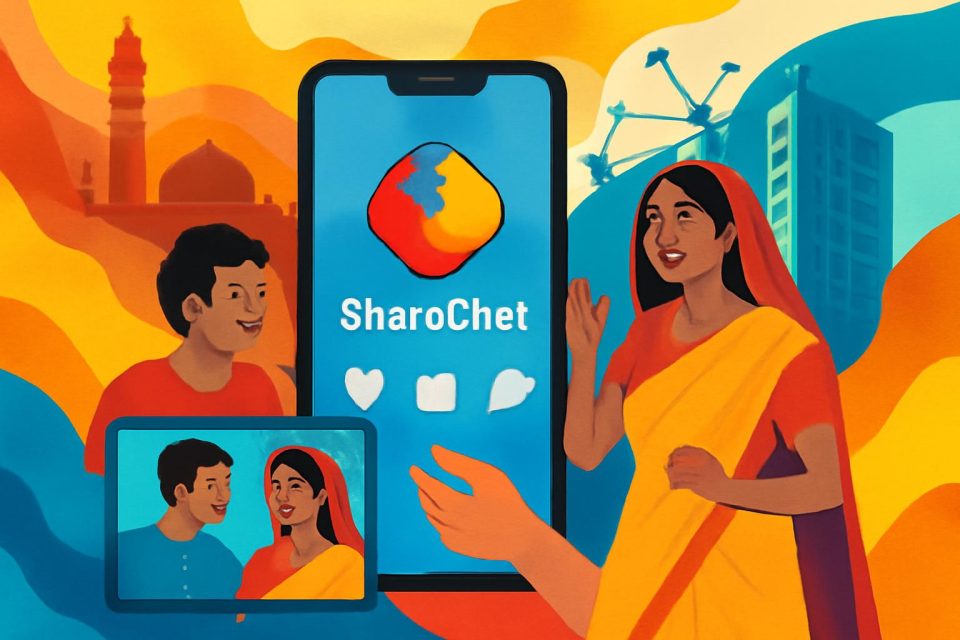
ShareChat, an Indian social media platform, has recognized the challenges of competing directly with tech giants like Meta and Google. Co-founder and CFO Manohar Charan candidly admitted that the company’s previous approach of trying to replicate successful models from Silicon Valley was misguided.
Founded in 2015, ShareChat initially aimed to provide a regional language alternative to mainstream platforms like Facebook and Twitter. However, the competitive landscape shifted dramatically with the rise of TikTok, which gained significant traction in India before facing a government ban in 2020. This moment allowed Indian apps, including ShareChat’s Moj, to flourish.
Despite raising over $1.3 billion from notable investors, ShareChat faced a tough reality as the short video app market became increasingly saturated. The company is now pivoting towards microdramas, which it sees as a new growth area.
Reinventing the Business Model
Charan highlighted a critical turning point in ShareChat's strategy. The company has crossed the ₹1,000 crore revenue mark for FY26 and has achieved nine consecutive months of positive cash flow. This financial stability has prompted a renewed focus on microdramas instead of merely replicating the success of platforms like Instagram and TikTok.
ShareChat's past approach involved aggressive spending on user acquisition, which proved unsustainable. The company spent approximately $1.80 per user on cloud computing against a mere 30 cents in advertising revenue, leading to significant losses. However, with the onset of a funding winter in 2022, ShareChat halted user acquisition spending to stabilize its finances.
Current Performance and Future Prospects
As of early 2025, ShareChat has successfully reduced its cloud computing costs and achieved its first cash breakeven month. The company’s adjusted losses have significantly decreased, and it anticipates further improvements in FY26. The shift to microdramas is seen as a way to tap into a new audience while leveraging existing user engagement.
The Microdrama Landscape
ShareChat launched QuickTV in February 2025, entering a crowded market with numerous competitors. While other platforms focus on subscription models, ShareChat aims to create a sustainable revenue stream through advertising, which has higher profit margins compared to subscriptions.
The microdrama sector is characterized by high user churn and significant acquisition costs. Charan noted that acquiring a paying subscriber can cost between ₹300 and ₹500, while general user acquisition remains much cheaper. This dynamic poses challenges for profitability in the microdrama space.
Strategic Dual-Track Approach
QuickTV is designed to complement ShareChat’s existing platform, Moj. The combined user engagement of both platforms significantly exceeds that of the entire subscription microdrama ecosystem, providing a strong foundation for advertising revenue.
As ShareChat navigates its new direction, it faces critical questions about the sustainability of its business model in the competitive landscape. The emphasis has shifted from directly challenging global incumbents to building a viable business within their shadow.
Conclusion
ShareChat's journey reflects a broader trend in India’s startup ecosystem, focusing on sustainable growth rather than aggressive competition. The company’s future will depend on its ability to maintain its regional-language creator base and adapt to the evolving microdrama market.