Synopsis
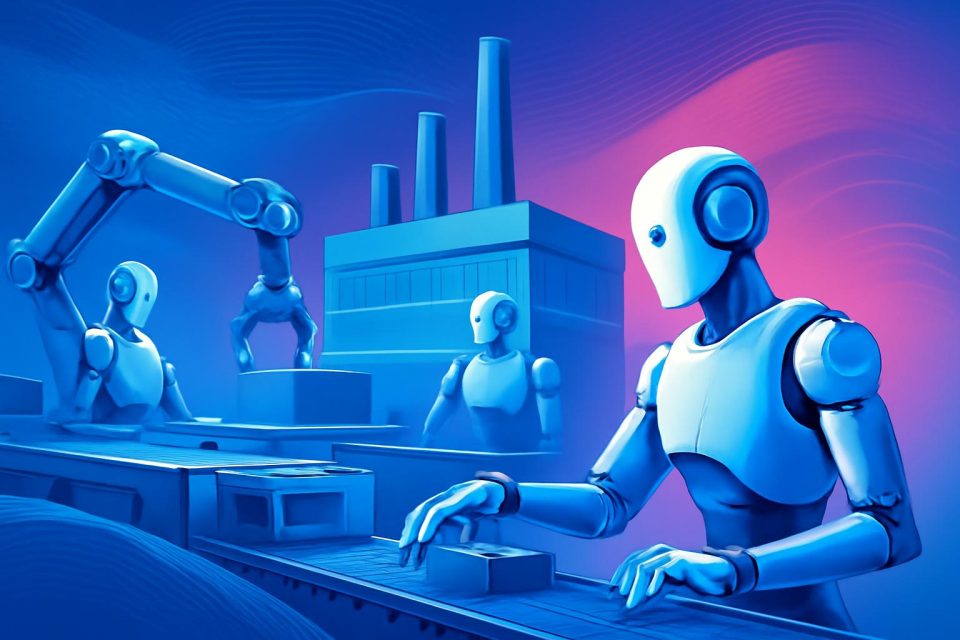
Wang Hao, Tesla's vice president, said the Shanghai facilities, like other Tesla factories, will contribute after the company enters an era of robots.Listen to this article in summarized format
Wang Hao, Tesla's vice president, said the Shanghai facilities, like other Tesla factories, will contribute after the company enters an era of robots.
Wang, who also serves as president of Tesla China, told reporters on a government-organised tour of one of its Shanghai factories that CEO Elon Musk once noted having production at scale is a critical challenge in manufacturing humanoid robots.
Wang said he believes the Shanghai manufacturing arm "is a golden key to solving this challenge," but did not specify how the operation will support the company's robotic business.
Musk has urged investors to focus less on car sales and more on what he considers a bright artificial intelligence future of robotaxis ferrying millions in cars without drivers, or even steering wheels, and robots watering plants and taking care of elderly parents.
Musk earlier underlined that shift by announcing Tesla had decided to end production of two older car models, S and X, in the second quarter and convert a Fremont, California, factory to instead produce its Optimus robots.
London-based technology research and advisory group Omdia said Tesla shipped fewer than 500 general-purpose embodied, intelligent robots in 2025. Still, the company is among the vendors that showcased industry-leading advancements in AI capabilities, its report said.
Tesla entered the mainland Chinese market in 2013, and the factory Wang spoke at delivered the company's first made-in-China vehicles in late 2019. The factory delivered 851,000 electric vehicles in 2025, accounting for more than half of Tesla's total global deliveries that year.
A separate factory began production in Shanghai in 2025, marking the firm's launch of commercial energy storage manufacturing in China.