Synopsis
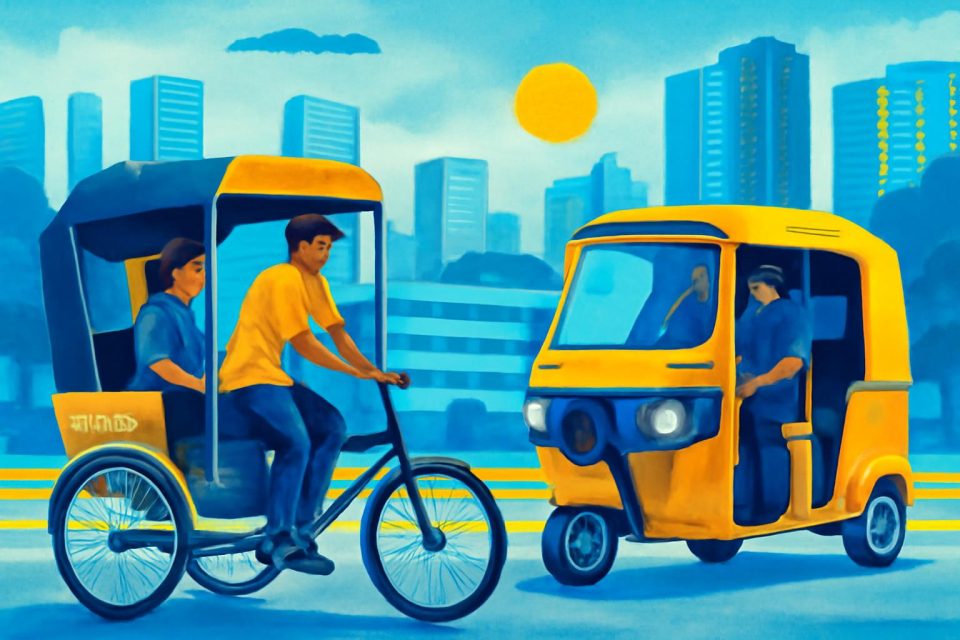
In a blog post, Uber’s policy and research team said that in Bengaluru and Mumbai — two key markets where bike taxi services were paused for nearly two months in mid-2025 — auto-rickshaw demand continued to grow at a similar pace even when bike taxis were unavailable. This indicated limited substitution between the two modes of travel, Uber said.Listen to this article in summarized format
In a blog post by its policy and research team, Uber said analysis from Bengaluru and Mumbai — two key markets where bike taxi services were paused for nearly two months in mid-2025 — indicates that auto-rickshaw demand continued to grow at a similar pace even when bike taxis were unavailable.
The pause acted as a “natural experiment," suggesting limited substitution between the two modes, the company said.
As per data published, despite the growth of bike taxis, autos remain the dominant choice among users. In Bengaluru, about 76% of two- and three-wheeler users (individuals who use both modes) on Uber used only autos in Q4 2025, while just 8.8% used only bikes. Around 15% used both.
Mumbai showed a similar trend, with nearly 84% of users sticking to autos and only 9.3% using both services.
Among users who opted for both modes, autos were chosen more frequently — about 62% of the time in Bengaluru and 65% in Mumbai, the data read.
“Rather than viewing bike and auto drivers as competitors, policymakers should consider the full picture: Sensible regulations for both products will create a stronger, inclusive, and affordable mobility ecosystem,” Uber said in its blog post.
The ride-hailing platform said this indicates that bike taxis are not significantly drawing riders away from autos.
The company argued that bike taxis are expanding the overall market rather than redistributing existing demand. “Since 2024, over 500,000 users in Bengaluru took their first Uber trip on a bike taxi, with nearly half of them later using auto services,” Uber said.
The blog added that this data suggests that bike taxis are acting as an entry point for new users, eventually feeding into higher-value categories like autos.
The findings come at a time when several states, including Karnataka and Maharashtra, are evaluating regulatory frameworks for bike taxis, with resistance from sections of the auto-rickshaw industry.
The Karnataka High Court on January 23, 2026, lifted the ban on bike taxi services, allowing operators like Ola, Uber, and Rapido to resume operations, overturning a June 2025 ban. In Mumbai, the government in March revoked the provisional licences granted to aggregators Ola, Uber, and Rapido.