Synopsis
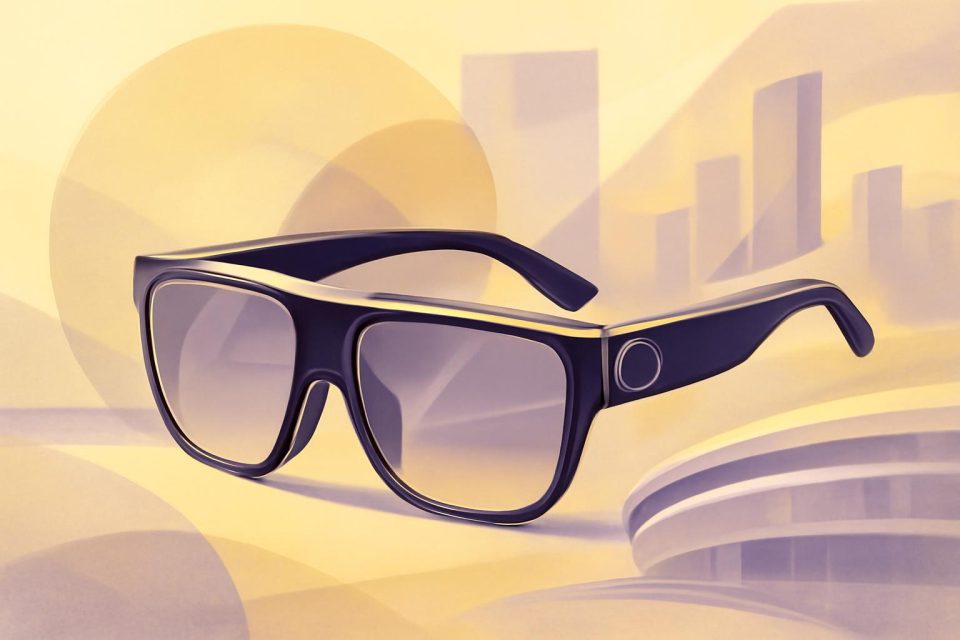
Gucci is set to launch smart glasses with Google next year. This move marks a significant entry into AI-powered eyewear. The brand aims to revive its iconic classics and adapt to a changing global market. This strategy is part of a larger plan to boost Kering's eyewear and jewelry divisions.Listen to this article in summarized format
That will pit it against Italian-French eyewear leader EssilorLuxottica, which produces Ray-Ban smart glasses in partnership with Meta.
"Probably next year, 2027," de Meo said when asked about the timeline for the smart glasses' launch during an interview on Thursday on the sidelines of Kering's capital markets day in Florence.
Google did not immediately reply to a Reuters request for comment.
The move is part of de Meo's broader strategy to scale up Kering's eyewear and jewellery divisions - which account for a fraction of the group's overall revenues - and help shield the luxury company from the shift in fashion tastes that has hit star brand Gucci.
De Meo earlier on Wednesday said he aimed to more than double Kering's operating profit margin to put the group back into the same league as other major luxury players and revamp Gucci after years of flagging sales.
He told Reuters the Italian brand needed to return to its most recognisable classics.
"I think that throughout the 105 years of Gucci's history, they have basically nailed down a few aesthetic codes that are immediately recognizable. And sometimes we haven't used them and sometimes we have abused them," he told Reuters.
De Meo also said the conflict in the Middle East, which has dented luxury sales in the Gulf and curbed travel, underscored the need for large corporations to adapt to a more fragmented world and improve how they sell products in different markets.
"I really believe that we need to adapt our model in many dimensions to a multipolar world. It's a different game," he told Reuters
"I feel like the world is becoming less flat than it used to be," he added. "So the whole idea of a luxury brand imposing exactly the same concept everywhere, from Australia to Alaska, maybe it's not relevant in the next couple of decades."($1 = 0.8483 euros)