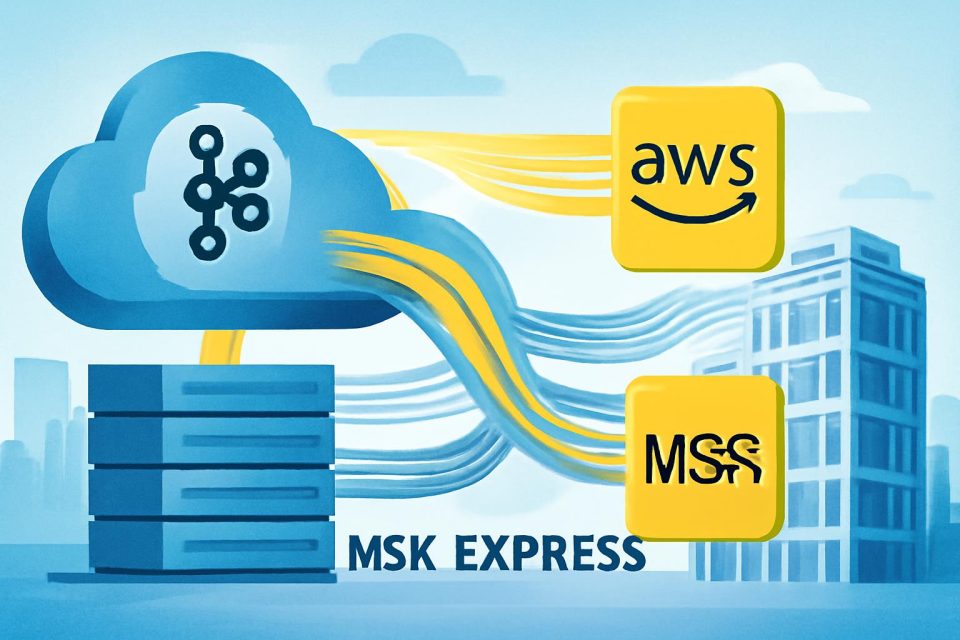
Migrating Apache Kafka workloads to the cloud can be a daunting task, often involving intricate replication setups and significant downtime. Amazon MSK Replicator simplifies this process, allowing users to transfer data from external Kafka clusters to Amazon MSK Express brokers with minimal operational overhead.
Key Benefits of MSK Replicator:
- Supports bidirectional data replication.
- Enhances consumer group offset synchronization.
- Reduces migration complexity and operational risks.
MSK Replicator is designed for Kafka deployments running version 2.8.1 or later, including third-party managed services and self-managed Kafka. It streamlines the migration process by alleviating the need for complex infrastructure management.
Why It Matters: Traditional tools like MirrorMaker 2 (MM2) often complicate migrations due to their limitations, such as the lack of bidirectional topic replication and offset synchronization. MSK Replicator addresses these issues, enabling a smoother transition to Amazon MSK.
Step-by-Step Migration Process:
- Establish Network Connectivity: Set up connections between your external Kafka cluster and AWS using AWS Direct Connect, Site-to-Site VPN, or VPC peering.
- Configure Authentication: Implement SASL/SCRAM authentication on your external cluster and store credentials securely in AWS Secrets Manager.
- Create Amazon MSK Express Cluster: Set up an MSK cluster with IAM authentication enabled.
- Set Up MSK Replicator: Configure the replicator with the necessary IAM roles and replication settings.
- Monitor Replication Health: Use Amazon CloudWatch to track key metrics like MessageLag and ReplicationLatency.
With these steps, users can migrate applications at their own pace, ensuring that data is not lost and that applications can roll back to the external cluster if needed.
Monitoring and Troubleshooting: Regularly check CloudWatch metrics to ensure replication is functioning smoothly. If issues arise, detailed logs can assist in diagnosing problems related to connectivity or authentication.
Once migration is complete, consider exploring multi-region replication for disaster recovery or integrating with AWS analytics services. For a hands-on guide, the MSK Migration Workshop offers step-by-step instructions for migrating Kafka workloads.
Amazon MSK Replicator not only simplifies the migration process but also supports hybrid architectures, making it a valuable tool for organizations looking to leverage the power of Amazon MSK Express.