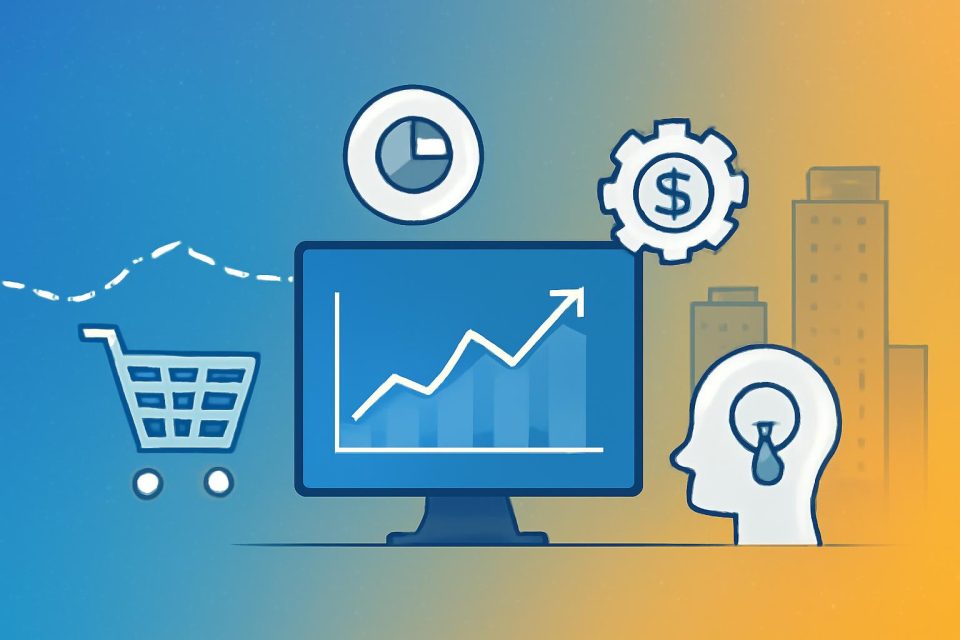
Establishing a successful consumer business in India that leverages real-time data involves more than just gathering information. It necessitates a robust system where data is not only collected but also continuously analyzed and acted upon promptly.
Key Components of a Real-Time System
To build an effective AI-led consumer business, several critical elements must be in place:
- Continuous Data Flow: Data should be collected in real-time from various sources.
- Intelligent Interpretation: Advanced analytics tools must be employed to derive insights from the data.
- Timely Action: The system should facilitate quick decision-making based on the insights gained.
Why It Matters
In today's fast-paced market, the ability to make informed decisions quickly can set a business apart from its competitors. Companies that can harness real-time data effectively are better positioned to meet consumer needs and adapt to market changes.
Steps to Implement a Real-Time Data System
- Identify Data Sources: Determine where relevant data can be obtained.
- Invest in Technology: Utilize tools and platforms that support real-time data processing.
- Train Teams: Ensure that staff are equipped with the skills to analyze and act on data insights.
- Monitor and Adjust: Continuously assess the system's performance and make necessary adjustments.
Challenges to Consider
While building a real-time data system offers numerous benefits, businesses must also be aware of potential challenges:
- Data privacy concerns and regulations.
- The need for significant investment in technology.
- Ensuring data quality and accuracy.
Conclusion
For companies in India looking to thrive in a competitive landscape, adopting a real-time, data-driven approach is essential. By effectively managing data flow, interpretation, and action, businesses can enhance their decision-making processes and better serve their customers.