Synopsis
Judges and lawyers are grappling with artificial intelligence in courts. Some embrace AI tools, while others, like Judge Ajmel Quereshi, avoid them. Concerns exist over AI errors in filings and rulings. Judge Lydia Kay Griggsby plans AI policies for her chambers. A study shows many federal judges use AI, with some prohibiting its use.Listen to this article in summarized format
Ajmel Quereshi, a US federal magistrate judge in Maryland, runs what he calls a "generative AI-free" chambers, declining to use artificial intelligence software tools that have been embraced by many lawyers.Speaking at a conference on judges and AI on Friday, Quereshi said his job is about judgment: "understanding the life of a case, how to apply the unique facts and circumstances to each individual case and applying the facts to the law. And good writing." "Those are not things that generative AI can do," he said.
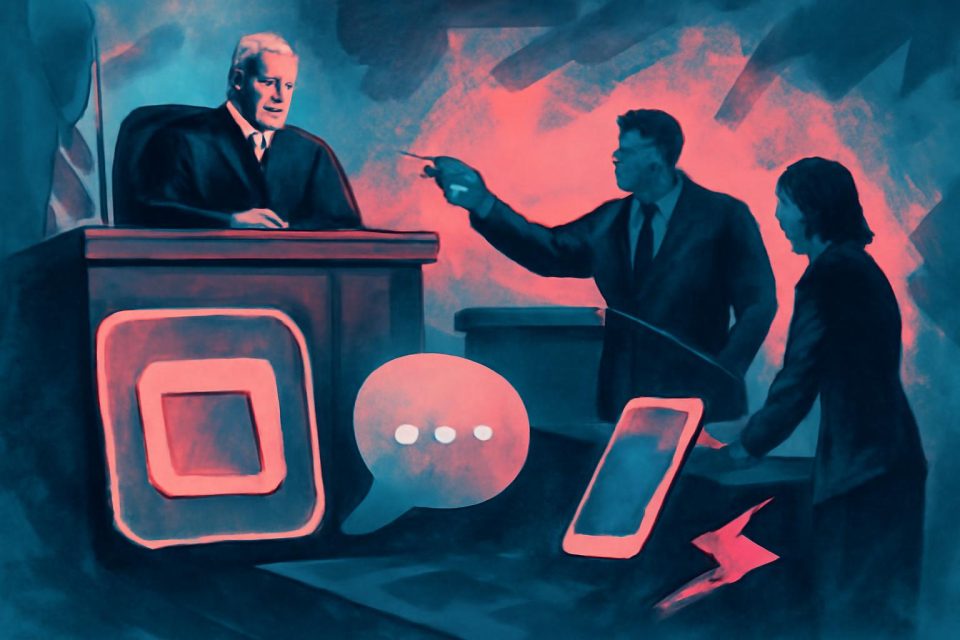
The conference at the federal courthouse in the Washington suburb of Greenbelt, Maryland, brought together state and federal judges, lawyers, law school professors and others to weigh how AI is reshaping the courts and the practice of law. The discussions underscored growing fault lines on AI in the courts, as judges and lawyers adopt different approaches to artificial intelligence in the absence of system-wide rules. Dozens of lawyers have been disciplined for AI "hallucinations" in court filings they failed to vet, and at least two federal judges have retracted opinions tainted by AI errors. Another attendee, US District Judge Lydia Kay Griggsby of the Greenbelt federal court, said she is planning to issue AI policies for her chambers, including advice on when and how her staff can use the technology.
"AI is changing how courts and judges do the work that we do," Griggsby said. She called AI use "inevitable" in the judiciary and said it should not be feared, but she said courts must address the technology head-on as it spreads into their domain. "The young people coming into chambers are already using this technology, and they'll be inclined to rely on it," Griggsby said. A recent study found that about 60% of U.S. federal judges use at least one AI tool in their judicial work. Researchers at Northwestern University said about 20% of judges formally prohibit AI use, while roughly 17% discourage it without imposing a ban. In his keynote remarks, Maryland Supreme Court Chief Justice Matthew Fader noted that federal judges in New Jersey and Mississippi in at least two instances last year withdrew opinions that included AI-related errors.
AI brings "extraordinary opportunities and perhaps equally extraordinary challenges," Fader said.