Synopsis
AI-powered voice-to-text startup Wispr Flow has officially launched in India, introducing full Hinglish support and an Android app. India has already become the company's second-largest market, with user growth tripling organically in recent months. The launch includes a unique offline marketing campaign in Bengaluru using branded auto-rickshaws to reach users stuck in traffic.Listen to this article in summarized format
The rollout formalises what has already been a fast-growing market for the company, with India emerging as its second-largest base by both users and paying subscribers, even before the official launch, CEO Tanay Kothari had previously told ET.
The company has seen its Indian user base triple over the past three months through largely organic adoption, particularly within workplace tools such as Slack and coding environments.
“Today, @wisprflow is officially live in india! Before this launch… India became our second biggest market on its own. We 3x'd growth in 3 months with no campaigns or partnerships. People just found wispr flow organically and made it part of their daily life,” Kothari wrote in a post on X.
Founded in 2021 by Stanford alumni Tanay Kothari and Sahaj Garg, Wispr Flow builds AI-led voice productivity tools that aim to replace traditional typing workflows. The company initially worked on brain-computer interface hardware before pivoting to voice-first software, aligning with broader momentum in generative AI.
The startup has raised approximately $81 million to date and was last valued at $700 million in late 2025.
The India launch marks a strategic push to localise the product, with Hinglish support aiming to enable some of the country’s key users to naturally communicate in professional and informal settings. The addition of Android compatibility also expands access in a mobile-first market.
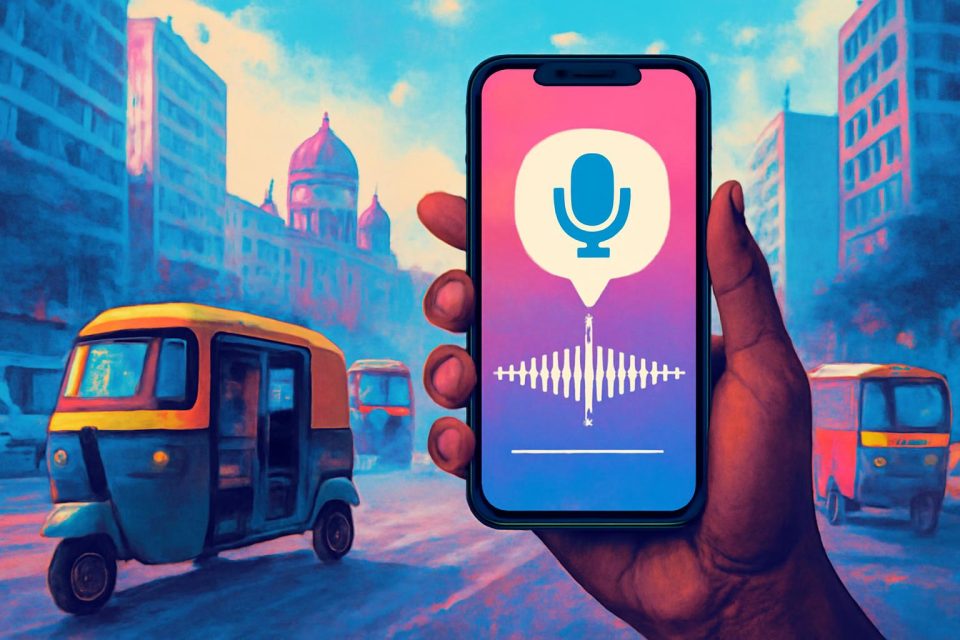
The Monday launch was accompanied by an offline marketing campaign in Bengaluru, where the company deployed 100 branded auto-rickshaws across the city. The approach targets high-visibility physical spaces in a city known for heavy traffic, positioning it as an alternative to crowded digital advertising channels, claimed Kothari.
“We just discovered a hidden marketing opportunity that no one is paying attention to. It's live now in the streets of Bangalore. US tech companies are burning millions on digital ads to reach Bangalore. But the entire city is sitting in traffic, looking at the back of an auto rickshaw. Bangalore has some of the worst traffic in the world. The average person in the city spends hours a day inside it. And almost no one in tech is using it to their advantage. They're all fighting for the same digital real estate,” Kothari wrote in a post on LinkedIn on Monday.