Synopsis
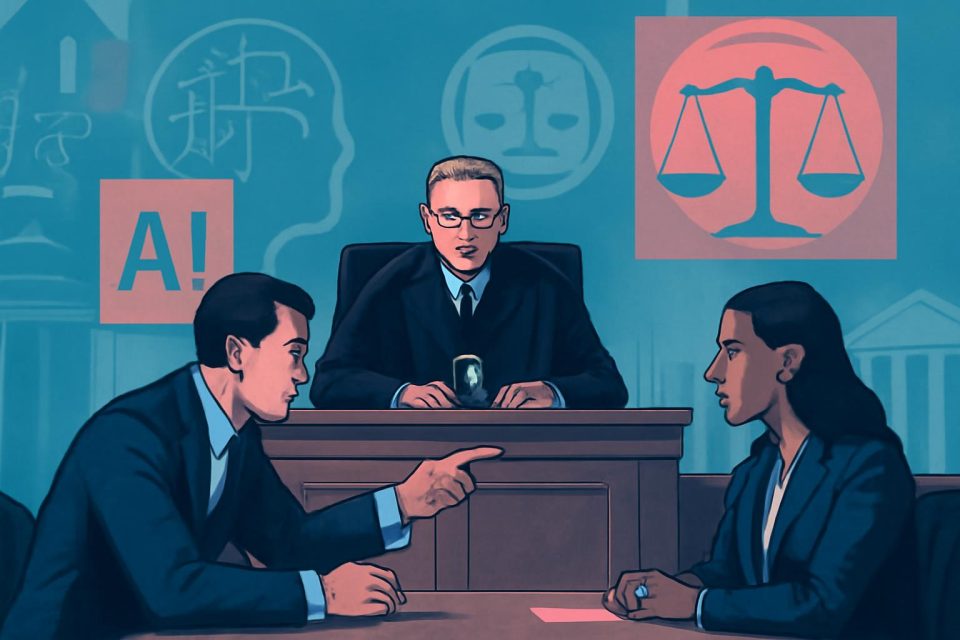
A high-stakes legal battle begins today as Elon Musk sues Sam Altman's OpenAI, alleging the AI giant abandoned its non-profit mission for profit. Musk claims broken promises regarding open-source development and public good, seeking billions in damages. OpenAI denies the allegations, stating partnerships are vital for AI advancement.Listen to this article in summarized format
At the heart of the dispute lies a fundamental question: did OpenAI stay true to the vision it was founded on, or did it drift into something else entirely? Here’s everything you need to know:
The jury
Jury selection wrapped up on Monday at a federal court in Oakland, California, with Judge Yvonne Gonzalez Rogers presiding. The trial is expected to shape not just OpenAI’s future but potentially the broader direction of artificial intelligence (AI).
The presiding judge and legal teams from both sides carefully questioned potential jurors to identify any bias. Some individuals admitted to holding unfavourable opinions about Musk, with one remarking, "Elon doesn't care about people." Despite this, most insisted they could remain impartial.
The final jury includes a mix of everyday professionals, such as a nurse and a painting business owner, reflecting a cross-section of the public now tasked with weighing the dispute. The judge reassured the jury that the proceedings were’n’t going to be highly technical. “This is just a case about promises and breaches of promises, it won’t get technical at all,” she said.
The breach
Musk’s case centres on what he describes as a breach of founding principles. When OpenAI was established in 2015, it was set up as a non-profit with a mission to develop AI safely for the benefit of humanity, not for private profit.
Musk contributed roughly $38 million in the early days. He claims this funding was given with the understanding that OpenAI’s work would remain open-source and aligned with the public good.
According to Musk, that vision began to unravel after he left the organisation following internal disagreements. He argues that the shift came when Altman secured significant investment from Microsoft, transforming OpenAI into a for-profit entity.
The lawsuit goes further, accusing Altman and OpenAI president Greg Brockman of deliberately misleading Musk. It claims they leveraged his concerns about the existential risks of AI to gain his support, while privately planning a different direction.
A key piece of evidence comes from Brockman’s personal notes, which was referenced by Judge Rogers in a January ruling that allowed the case to proceed. In a 2017 entry, Brockman wrote: “This is the only chance we have to get out from Elon … Financially, what will take me to $1B?” He also noted that accepting Musk’s conditions would “nuke” both “our ability to choose” and “the economics.”
“Elon Musk's case against Sam Altman and OpenAI is a textbook tale of altruism versus greed. Altman, in concert with other defendants, intentionally courted and deceived Musk, preying on Musk's humanitarian concern about the existential dangers posed by AI,” the lawsuit states.
Musk & Microsoft
Musk seems especially irked by OpenAI’s tie-up with Microsoft. The tech giant has invested about $13 billion in the company and secured exclusive rights to integrate its technology into products.
He argues this agreement fundamentally altered OpenAI’s nature, shifting it from a public-interest research lab into a commercially driven business.
Musk is seeking approximately $134 billion in damages and has also called for Altman’s removal as CEO. However, Musk has said he does not intend to keep any financial award personally, requesting that any compensation instead be directed to OpenAI’s non-profit arm.
OpenAI denies allegations
OpenAI has rejected all claims made in the lawsuit. The company maintains that it remains committed to its original mission of ensuring that artificial general intelligence (AGI) benefits humanity.
It argues that partnerships like the one with Microsoft are necessary, pointing out the immense costs involved in developing cutting-edge AI systems.
The company has also pushed back against Musk’s narrative, suggesting his departure was not about principles but about control. According to OpenAI, Musk sought full authority over the organisation in 2018. When Altman, Brockman, and cofounder Ilya Sutskever declined, he chose to leave.
In an earlier blog post, OpenAI alleged that Musk had even proposed merging the company with Tesla. “When we wouldn't agree to his terms, he walked away and told us we had a '0% chance' of success. He turned out to be wrong, though, and a resentful Elon has attacked OpenAI ever since,” the post reads.
The company also addressed Musk’s financial contribution: “Elon donated $38 million to the OpenAI nonprofit, which was spent exactly as intended and in service of the mission. Despite claiming and receiving a tax deduction for this donation, he's now asking the court to treat it as an investment that entitles him to significant ownership of OpenAI,” the blog post states.
With billions of dollars, reputations, and the future of AI at stake, the outcome could have consequences far beyond the courtroom.