Deepfake technology is transforming trust into a potential vulnerability, making it easier for fraudsters to execute convincing scams. Organizations are now compelled to rethink their strategies for securing and verifying digital interactions.
Understanding Deepfakes
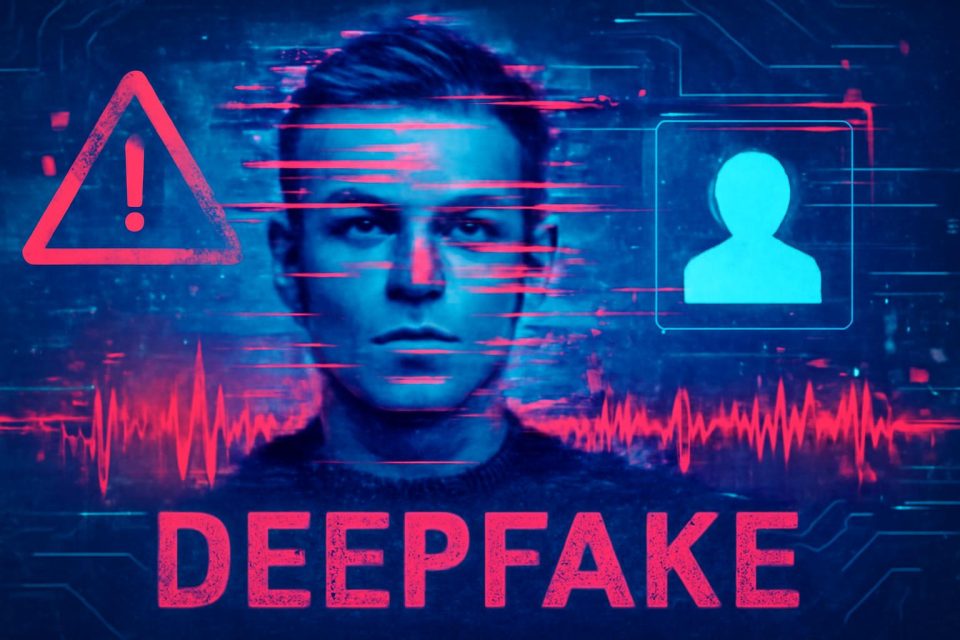
Deepfakes utilize artificial intelligence to create realistic images, videos, and audio recordings that can impersonate individuals. This technology can be exploited for malicious purposes, such as fraud, misinformation, and identity theft.
Why This Matters
The sophistication of deepfake technology poses significant risks for businesses and individuals alike. As these tools become more accessible, the potential for misuse increases, leading to challenges in trust and security.
Key Takeaways
- Deepfakes can undermine trust in digital communications.
- Organizations must enhance their verification processes to combat impersonation.
- Awareness and education about deepfake technology are crucial for prevention.
What Organizations Can Do
To mitigate the risks associated with deepfakes, organizations should consider the following strategies:
- Implement robust identity verification methods.
- Educate employees about the dangers of deepfakes.
- Invest in technology that can detect deepfakes and other forms of manipulation.
Future Implications
As deception techniques evolve, the cybersecurity landscape will continue to change. Organizations must remain vigilant and proactive in their approach to security to protect against these emerging threats.
Conclusion
The rise of deepfake technology is a clear indication that trust in digital interactions is under threat. By understanding the implications and taking appropriate measures, organizations can better safeguard their operations and maintain the integrity of their communications.