Synopsis
Elon Musk is back on the witness stand in a lawsuit against OpenAI, accusing the AI firm of abandoning its mission for profit. He testified that creating a for-profit entity "destroyed the foundation of charitable giving." Musk seeks $150 billion and wants OpenAI to revert to a nonprofit, with key leaders removed.Listen to this article in summarized format
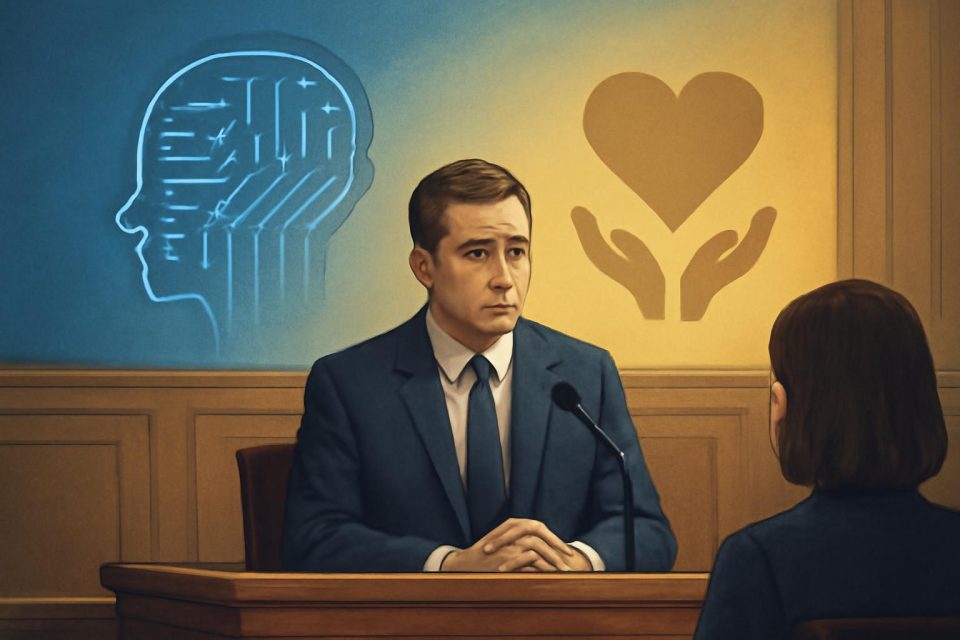
In testimony on Tuesday before a nine-person jury in Oakland, California federal court, the world's richest person sharply criticized the 2019 decision by the nonprofit OpenAI co-founder and Chief Executive Sam Altman and its President Greg Brockman to create a for-profit entity.
"If we make it okay to loot a charity, the entire foundation of charitable giving in America will be destroyed," Musk testified.
OpenAI has said it created a for-profit entity to allow it to buy computing power and pay top scientists. Its lawyers have argued that Musk is motivated by a compulsion to control OpenAI and bolster his own AI company, SpaceX unit xAI, which lags OpenAI in user adoption.
Judge scolds Musk over X posts
The trial highlights the depth of the rupture between Musk and Altman. The two Silicon Valley icons once partnered in the quest to develop the fast-growing AI technology, a pillar of growth in the U.S. economy that is also fueling anxiety about job losses.
The pair co-founded OpenAI in 2015 to create a benevolent steward of the technology and fend off rivals such as Alphabet Inc's Google. Musk, the chief executive of Tesla and SpaceX, left OpenAI in 2018 after investing $38 million. Microsoft, also a defendant, invested $10 billion in OpenAI in 2023.
On Wednesday, Musk, 54, will resume being questioned by his own lawyer. He is then expected to be cross-examined by lawyers for OpenAI and the other defendants, who have argued that AI safety was not a priority for Musk when he was with the company and that he derided employees who focused on it "jackasses."
Before jurors were seated on Tuesday, U.S. District Judge Yvonne Gonzalez Rogers admonished Musk after OpenAI lawyers complained about posts on X in which Musk assailed Altman as "Scam Altman." Musk, known for brash public commentary, agreed to minimize his social media activity, as did Altman.
Musk seeks $150 billion in damages
The trial comes as OpenAI prepares for a potential initial public offering that could value it at $1 trillion, Reuters has reported. The company also faces growing competition from rivals including Anthropic, while a Wall Street Journal report that OpenAI had missed some internal performance targets weighed on the tech-heavy Nasdaq Composite on Tuesday.
Musk is seeking $150 billion in damages from OpenAI and Microsoft, with any award going to OpenAI's charitable arm. He also wants OpenAI to revert to a nonprofit, with Altman and Brockman removed as officers and Altman removed from the board.
His claims include breach of charitable trust and unjust enrichment.
OpenAI is currently structured as a public benefit corporation, in which the nonprofit and other investors including Microsoft hold stakes.