The rapid expansion of AI and cloud computing in India has raised significant concerns regarding water resource management. Environmental advocates have highlighted that these sectors could potentially consume around 37.5 billion liters of water each year, a figure alarming enough to equate to the annual water needs of approximately 700,000 to 800,000 people.
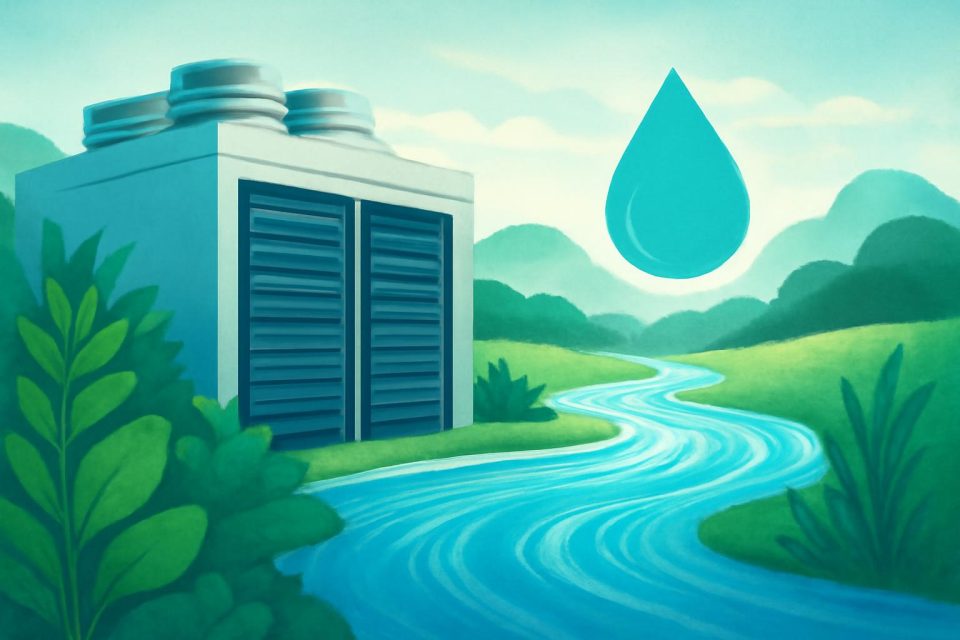
In response to these concerns, the Indian government has emphasized that the industry is implementing advanced cooling technologies to mitigate water usage. Shambhu Nath Gupta, Under Secretary of the Ministry of Jal Shakti, noted that data centers are increasingly adopting innovative cooling systems such as direct-to-chip liquid cooling, adiabatic cooling, and immersion systems.
Industry Growth and Water Demand
According to the NatConnect Foundation, which provided the water consumption estimates, this amount of water could supply a city like Mumbai for about a week. The foundation's director, B N Kumar, expressed worries that the growing demands of the AI and cloud sectors could jeopardize India's water security.
Data center capacity in India has surged from 375 MW in 2020 to an expected 1,500 MW by 2025, indicating a significant increase in energy and resource demands.
Advanced Cooling Technologies
The government has reassured the public that the adoption of advanced cooling technologies is a priority for the industry. These systems are designed to effectively reduce both water and energy consumption, addressing the environmental impact of data centers.
Sustainability Efforts
In addition to cooling technologies, the Ministry of Jal Shakti has highlighted ongoing sustainability initiatives, including:
- Rainwater harvesting
- Wastewater reuse
- Digital groundwater monitoring
These efforts aim to promote resource sustainability and ensure that the growing demands of the tech industry do not compromise water availability for the general population.