Synopsis
Input cost hikes, fueled by the West Asia conflict, are forcing direct-to-consumer brands to adapt. Companies are shifting packaging, introducing larger or higher-priced variants, and accelerating supply chain localization to manage surging costs and protect margins. This strategic reevaluation impacts pricing and product offerings across various consumer segments.Listen to this article in summarized format
Jimmy’s Cocktails, a brand of mixers, is also considering price hikes for some of its premium products while holding entry-level products steady. Meanwhile, fragrance brand Bla Bli Blu currently relies on inventory produced last year, limiting any immediate cost impact.
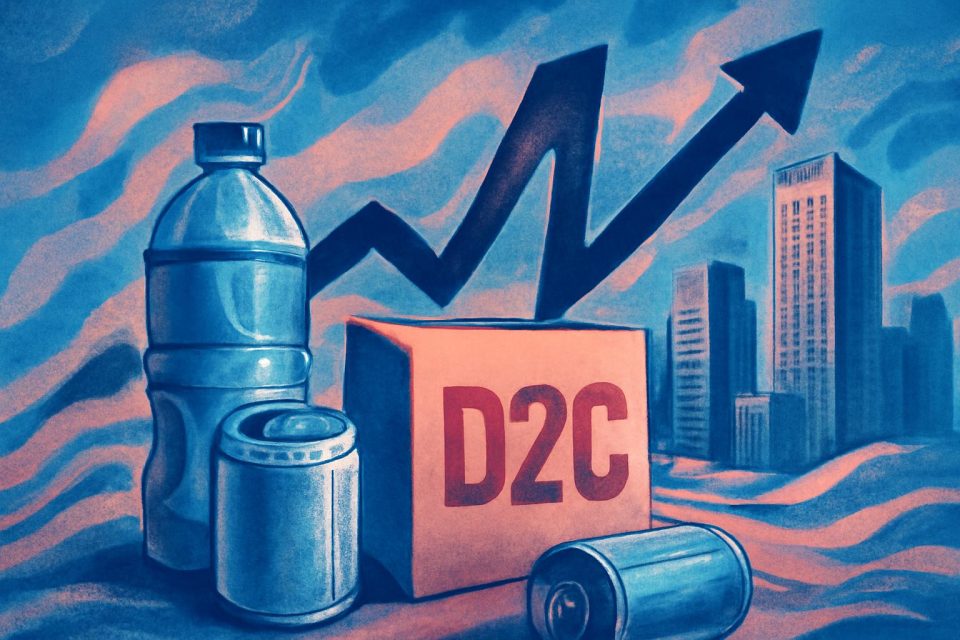
D2C brands across food, beverages, beauty, and perfumes are being forced to rethink pricing and product strategy. For many, the choice is between raising prices, redesigning packaging, or introducing higher-priced variants while keeping entry-level products accessible.
“Input costs have gone through the roof, significantly impacting our gross margins,” said Saurabh Munjal, founder of Lahori Zeera. “Despite this, we did not pass on any major price increases to consumers. Instead, we identified a few larger SKUs with better margins and managed pricing slightly through the distribution channel.”
From aluminium cans for soft drinks to glass perfume bottles, packaging costs have surged up to 25-30% for consumer brands across segments after the West Asia conflict disrupted supply chains, according to experts.
The impact was highlighted in the fourth-quarter results of fast-moving consumer goods (FMCG) companies last week. Hindustan Unilever Limited (HUL) reduced sachet sizes and increased the price of large packs by 2-3% to combat the surge in packaging costs.
“The change in crude oil prices impacts packaging costs and on top of that, import costs have increased too. This has a relatively smaller impact on large FMCGs because they already have scale. For FMCGs, packaging costs range between 5-15%, while for a D2C it would be 10-25%, depending on the product size,” explained Ashish Dhir, senior director, consumer and retail, 1Lattice, a market analytics firm.
Peak PET
Ankur Bhatia, founder of Jimmy's Cocktails, said packaging costs, particularly of polyethylene terephthalate (PET) bottles, which are widely used for beverages for their durability and relative cost advantage over glass or aluminium, have risen almost 20%.
And it’s not just the bottle per se. “Every detail on the bottle, whether it is colouring or embossing, involves the use of LPG, so there has been quite an impact on that front too," said Rajat Kullar, founder of fragrance brand Bla Bli Blu. The West Asia war has also impacted LPG prices.
He added that margins have reduced by about 3-4% as raw materials like fragrance oils and other ingredients coming from European or West Asian markets have seen a huge spike in costs.
Bombay Shaving Company has responded to the cost hike by accelerating its supply chain localisation, increasing domestic sourcing to around 70–80% over the past six months. "A year ago, the plan was to gradually localise the supply chain. However, because of the war, this has become a key priority, and we are moving much faster on it,” said Deepak Gupta, cofounder and COO.
ET reported on March 30 that India’s quick commerce, ecommerce, and logistics ecosystem has begun to feel the heat of the war in West Asia with companies reporting increasing costs, delayed supplies, and operational risks even as consumption holds steady.