Synopsis
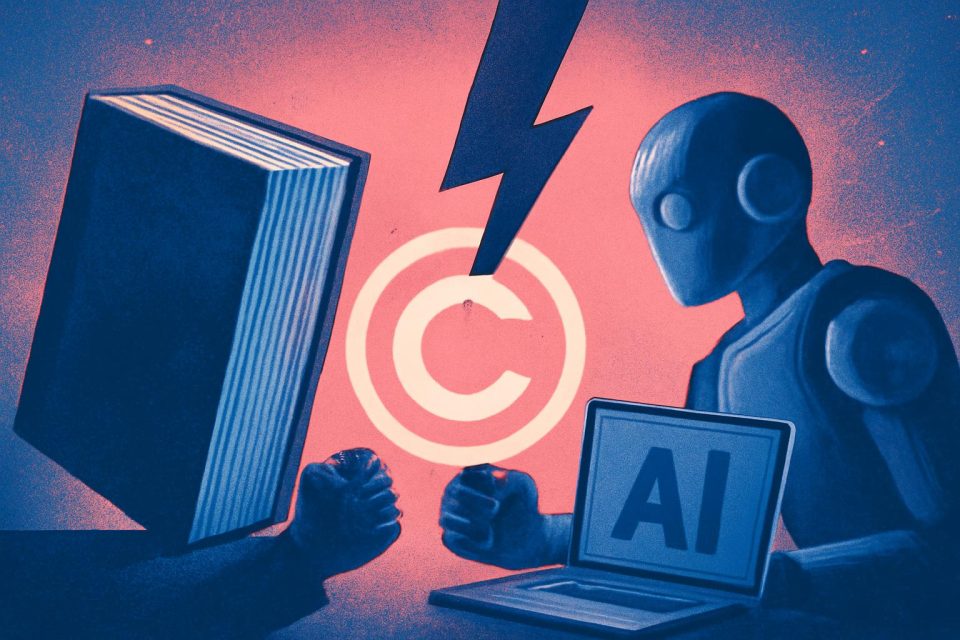
Major publishers have filed a lawsuit against Meta Platforms in Manhattan federal court. They accuse the tech giant of using millions of their books and journal articles without permission to train its artificial intelligence model, Llama. This legal action marks a new development in copyright disputes over AI training data. The publishers seek monetary damages and class action representation.Listen to this article in summarized format
Assembly Elections 2026Election Results 2026 Live Updates: Who's ahead in which stateWest Bengal Election Results 2026 Live UpdatesTN Election Result 2026 Live Updates
The publishers, as well as author Scott Turow, alleged in the proposed class action complaint that Meta pirated millions of their works and used them without permission to train its large language models to respond to human prompts.
Spokespeople for Meta did not immediately respond to a Reuters request for comment on the complaint on Tuesday.
"Meta's mass-scale infringement isn't public progress, and AI will never be properly realized if tech companies prioritize pirate sites over scholarship and imagination," Maria Pallante, president of the Association of American Publishers, said in a statement.
The publishers allege that Meta pirated works ranging from textbooks to scientific articles to novels including "The Fifth Season" by N.K. Jemisin and "The Wild Robot" by Peter Brown for its AI training. They asked the court for permission to represent a larger class of copyright owners and an unspecified amount of monetary damages.
The lawsuit opens a new front in the ongoing copyright battle between creators and tech companies over AI training, in which dozens of authors, news outlets, visual artists and other plaintiffs have sued companies including Meta, OpenAI and Anthropic for infringement.
All of the pending cases will likely revolve around whether AI systems make fair use of copyrighted material by using it to create new, transformative content. The first two judges to consider the matter issued diverging rulings last year.
Amazon- and Google-backed Anthropic was the first major AI company to settle one of the cases, agreeing last year to pay a group of authors $1.5 billion to resolve a class-action lawsuit that could have cost the company billions more in damages for alleged piracy.