This year’s Swift Student Challenge has highlighted the remarkable intersection of technology and accessibility through the innovative projects of its winners. Students from around the globe have developed apps that address real-world challenges, ensuring that no one is left behind due to disabilities or limitations.
Real-time Solutions for Presentations
Anton Baranov, a student from Germany, created an app called Pitch Coach, designed to assist individuals in delivering presentations with confidence. By providing real-time feedback and posture tracking via AirPods, the app helps users identify and correct their mistakes as they present.
Art for All with Steady Hands
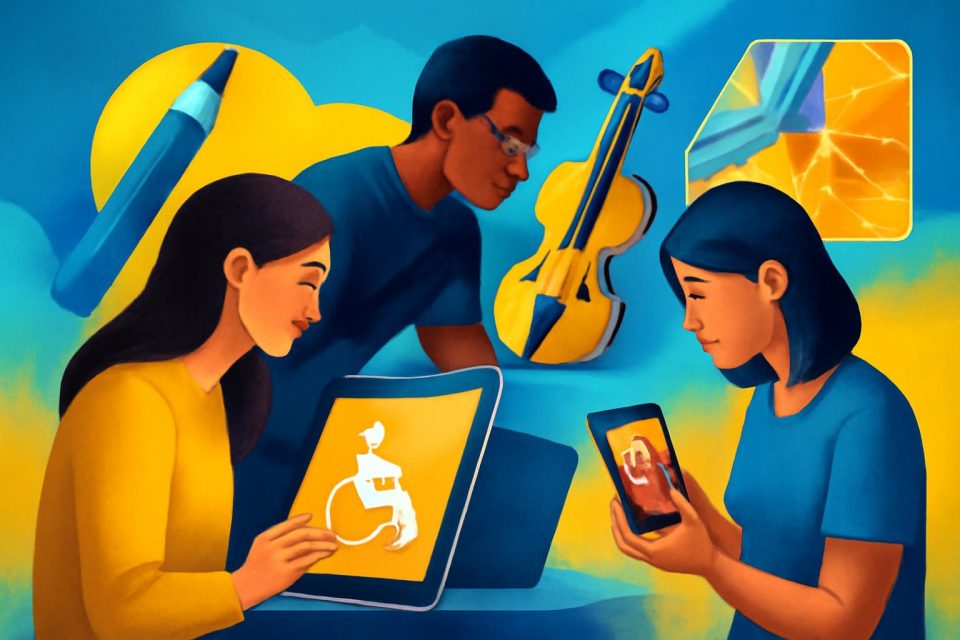
Gayatri Goundadkar from India developed Steady Hands, an app aimed at helping individuals with tremors create art. By utilizing Apple Pencil stabilization technology, the app allows users to draw freely, transforming their creative expressions into a virtual 3D gallery, promoting confidence and artistic expression.
Emergency Evacuation with Asuo
In Ghana, Karen-Happuch Peprah Henneh designed Asuo, an app that provides safe routing for individuals in flood-prone areas. Inspired by past flood experiences, the app incorporates accessibility features such as VoiceOver labels and a custom voice alert system, ensuring that everyone can navigate safely during emergencies.
Democratizing Music Education with LeViola
Yoonjae Joung, a student from South Korea, created LeViola, an app that makes learning the viola accessible to those without instruments. By using the camera to guide users in their bowing technique, the app encourages participation in classical music, breaking down barriers to music education.
Why Accessibility Matters
These projects exemplify how technology can be harnessed to create inclusive solutions that empower individuals with disabilities. By focusing on accessibility from the outset, these developers are setting a precedent for future innovations.
Next Steps for Developers
As the winners prepare for the upcoming Worldwide Developers Conference, they will have the opportunity to further refine their projects and connect with industry experts. Their journeys serve as an inspiration for aspiring developers to consider accessibility in their own projects.