At SAP SAPPHIRE 2026, Google Cloud and SAP revealed a series of advancements designed to modernize enterprise data management and enhance operational efficiency. These innovations address the challenges organizations face in managing mission-critical data trapped in legacy systems, which often leads to operational inefficiencies and increased technical debt.
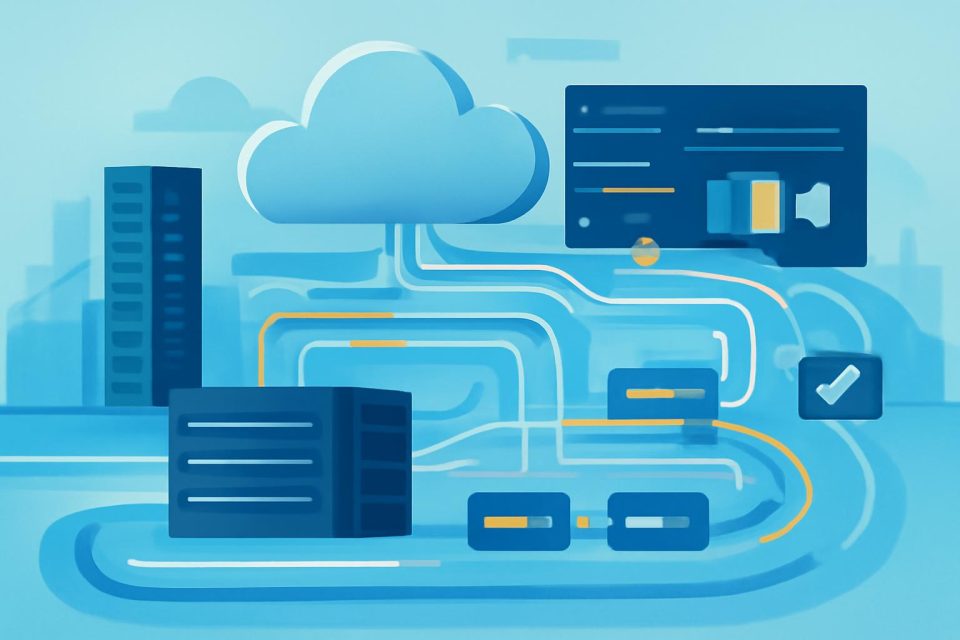
The partnership aims to create a Unified Data Foundation that connects critical business data directly to intelligent workflows. This integration allows organizations to transition insights from intent to action seamlessly.
Key Announcements
The following features were highlighted during the event:
- Open Agent Collaboration: SAP is enhancing its Business AI Platform with new capabilities that facilitate bidirectional communication between SAP’s Joule agents and Google Cloud’s intelligent agents.
- SAP BDC Connect for BigQuery: This feature allows customers to share their SAP data directly into BigQuery, enabling zero-cost data access without the need for complex data movements.
- Expanded Memory Instances: The introduction of the X5 series with 48TB memory configurations allows larger SAP HANA customers to scale their databases efficiently on a single node.
- Sovereign Cloud Partnership: SAP has teamed up with S3NS to offer its RISE private cloud on a SecNumCloud-qualified platform in France, ensuring secure ERP transformations for regulated organizations.
- Google SecOps for SAP: This collaboration focuses on enhancing security workflows and threat detection for SAP applications, providing security teams with tools to identify SAP-specific threats.
- Google Cloud Cortex Framework: This framework simplifies the integration of SAP data into AI solutions, reducing the risks and costs associated with building agentic solutions.
Industry Impact
Mercado Libre, a leading e-commerce platform in Latin America, shared insights on how these advancements are transforming their operations. Alejandro Bonsignore, a senior manager at Mercado Libre, emphasized the importance of scalable data infrastructure to support their rapid growth and AI initiatives.
Future of Data Management
The overarching goal of these innovations is to convert static data into dynamic, agentic workflows. By leveraging the BDC connector, organizations can create a unified data foundation that enhances the capabilities of agents operating on Google Cloud.
The Cortex Framework plays a crucial role in this transformation, enabling organizations to convert fragmented data into high-fidelity products that facilitate better decision-making. This approach ensures that AI applications are grounded in reliable data, enhancing their effectiveness and accountability.
Conclusion
The collaboration between SAP and Google Cloud signifies a significant step towards empowering enterprises to harness their data more effectively. By implementing these new features, organizations can expect improved operational efficiency and enhanced security in their data management processes.