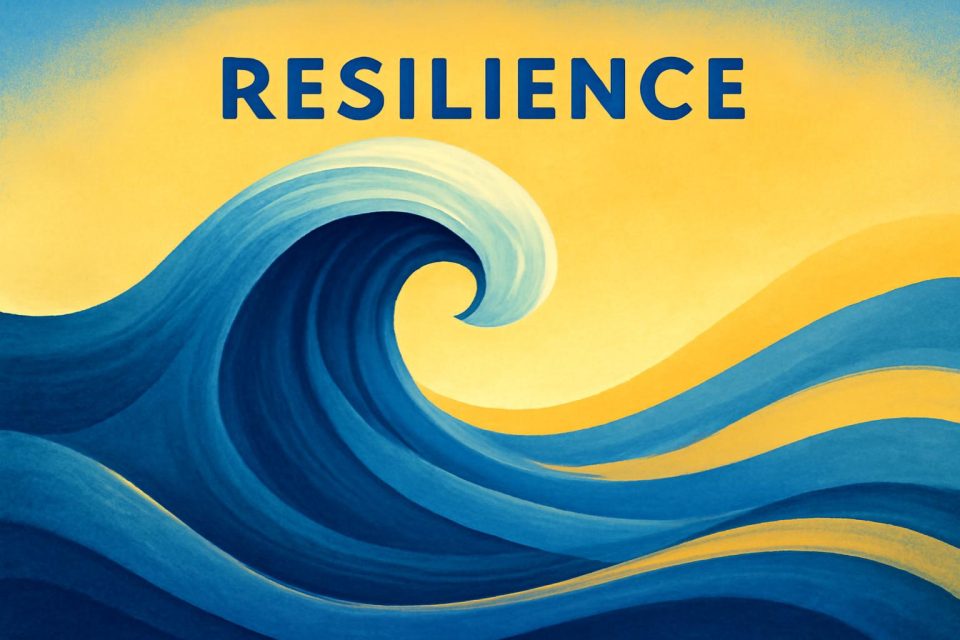
The fast-paced nature of modern life demands resilience, the ability to recover from setbacks and adapt to change. The saying, "Fall seven times, stand up eight," encapsulates the essence of resilience, emphasizing the importance of perseverance.
Understanding Resilience
Resilience is not merely about enduring hardships; it involves actively engaging with challenges and emerging stronger. This skill can be cultivated through various strategies.
Key Strategies for Building Resilience
- Develop a Support Network: Surrounding oneself with supportive friends and family can provide emotional strength during tough times.
- Practice Self-Care: Prioritizing physical and mental health through regular exercise, proper nutrition, and mindfulness can enhance resilience.
- Embrace Change: Viewing change as an opportunity for growth rather than a threat can foster a more resilient mindset.
- Set Realistic Goals: Establishing achievable goals helps maintain motivation and focus, making it easier to navigate challenges.
- Learn from Experience: Reflecting on past experiences can provide valuable insights and strategies for handling future difficulties.
Why Resilience Matters
Resilience is crucial for personal and professional success. It enables individuals to cope with stress, adapt to change, and maintain a positive outlook, ultimately leading to improved well-being.
Next Steps to Enhance Resilience
Individuals looking to strengthen their resilience can start by implementing small changes in their daily routines. Regularly practicing gratitude, seeking professional help when needed, and engaging in community activities can also contribute to a more resilient mindset.
Conclusion
Building resilience is a lifelong journey. By actively working on these strategies, individuals can better prepare themselves to face life's inevitable challenges and emerge stronger.