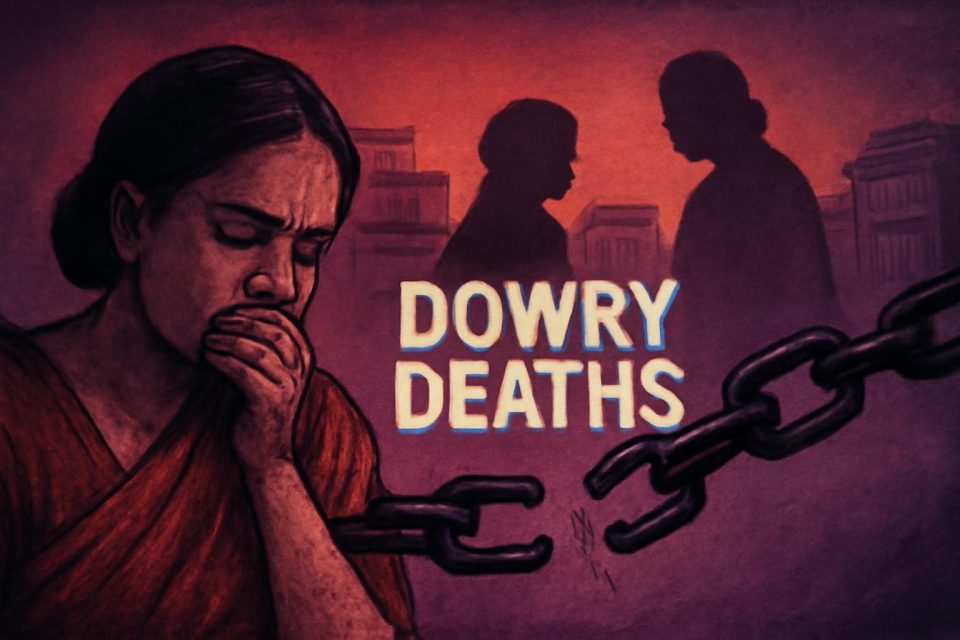
The dowry system in India continues to pose a severe threat to women's safety, as recent data from the National Crime Records Bureau (NCRB) reveals a troubling statistic: 5,737 dowry deaths were recorded in 2024. This figure underscores the urgent need for societal change and effective policy measures to combat this deep-rooted issue.
Understanding the Dowry System: The dowry system, which involves the transfer of parental wealth to the groom's family, has been a longstanding tradition in many parts of India. While it is often justified as a means of securing a favorable marriage, it has led to significant violence and discrimination against women.
Key Takeaways:
- The dowry system is linked to numerous incidents of violence against women.
- Legal frameworks exist, but enforcement remains weak.
- Awareness and education are crucial in changing societal attitudes.
Why This Matters: The high number of dowry deaths reveals a pressing public health and human rights crisis. It highlights the need for comprehensive reforms and community engagement to protect women and promote gender equality.
What Can Be Done:
- Strengthening legal frameworks to ensure harsher penalties for dowry-related violence.
- Implementing educational programs that challenge traditional norms surrounding marriage.
- Encouraging community support networks for women facing dowry-related issues.
As India grapples with this ongoing crisis, it is essential for individuals, communities, and the government to collaborate in addressing the root causes of dowry-related violence. Only through collective action can the cycle of violence be broken, ensuring a safer future for women across the nation.