Synopsis
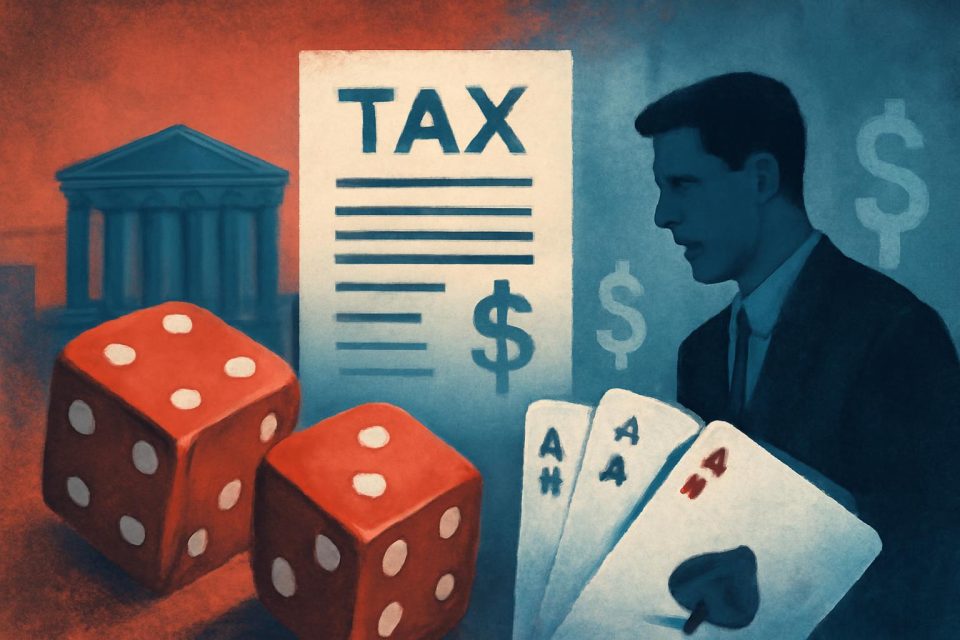
The GST demand of Rs 92,000 crore on past transactions will also impact larger players such as Dream11, Junglee Games and Mobile Premier League, which have been pivoting to different businesses following the blanket RMG ban introduced in August last year, executives said.Listen to this article in summarized format
The GST demand of Rs 92,000 crore on past transactions will also impact larger players such as Dream11, Junglee Games and Mobile Premier League, which have been pivoting to different businesses following the blanket RMG ban introduced in August last year, executives said.
“A lot of the smaller companies (including) soonicorns will eventually move into an insolvency stage,” a gaming industry executive said on the condition of anonymity. “A fresh start, which some companies attempted in the past few months, will be difficult.
Dream11 parent company Dream Sports recast itself as a “second screen sports platform” in December and launched stockbroking platform DreamStreet this month. Similarly, gaming platform Winzo entered the US market and launched a short video feature called ZO TV soon after the RMG ban.
“The GST ruling will make the survival of these companies very difficult because the demand exceeds what most of these companies have in their bank,” said an investor in a popular gaming company, who wished to remain anonymous.