Synopsis
Smartphone prices are rising in India. This could cause many buyers to delay purchases or buy used phones. Annual sales might drop significantly. Entry-level phones are seeing the biggest price increases. This situation is a wake-up call for brands. Affordability is key for future growth in the Indian market.Listen to this article in summarized format
A joint report by Trakin Tech and Techarc, released on Friday, revealed that 54 per cent of intended smartphone demand for the second half of the year is at risk..
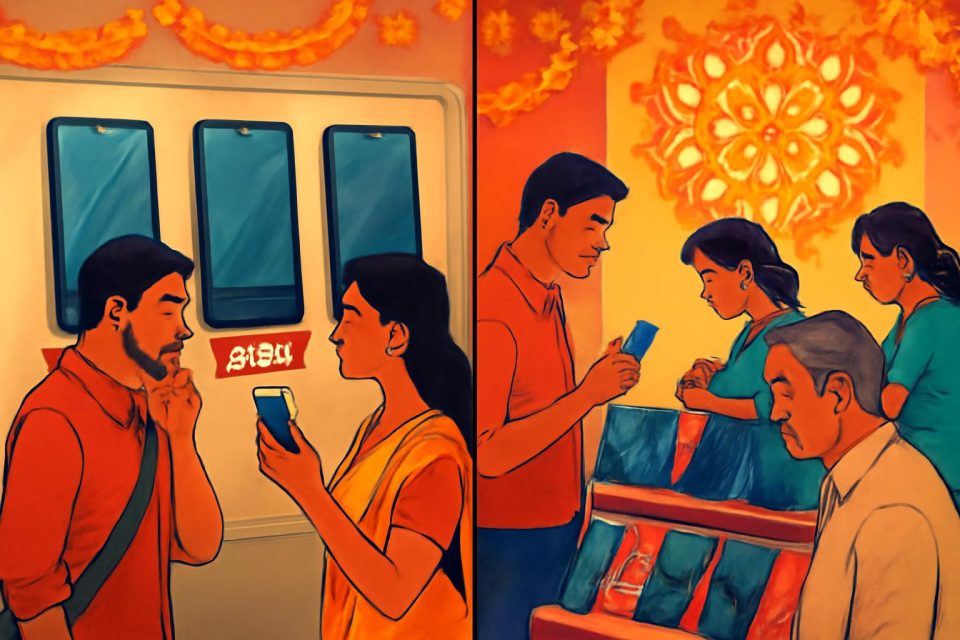
The study, which surveyed 5,958 active buyers across the country planning purchases between July and December, found that 48 per cent of these consumers would postpone their purchase until prices settle, while 6 per cent would opt for refurbished or pre-owned devices.
If current price trends continue, the demand erosion could translate to a drop in annual sales volumes to 115-120 million units for the period, down from the 136-138 million units recorded last year.
India's smartphone market went through a major repricing cycle between January 2025 and May 2026, driven by rising global costs for NAND flash and DRAM memory chips-the critical semiconductor chips responsible for a smartphone's permanent storage and active working memory, respectively. This cost inflation pushed up prices across the market.
Entry and budget segment handsets have borne the steepest increases - with prices rising 8-12 per cent on average since launch for the sub-Rs 20,000 segment, where memory costs form a disproportionately large share of the bill of materials, as high as 40 per cent.
Faisal Kawoosa, Founder and Chief Analyst at Techarc, attributed the price hikes to three primary factors: massive investments by artificial intelligence (AI) companies driving up global memory demand; a 5 per cent depreciation of the rupee against the dollar over the past year impacting import bills; and a strategic shift by brands pushing for higher average selling prices (ASPs) to prioritise profitability over revenue alone.
This affordability crisis is expected to provide a significant boost to the pre-owned smartphone market. The 6 per cent of buyers shifting to second-hand devices translates to an additional 6 to 7 million units. Kawoosa noted that the refurbished market, which typically hovers around 23 to 25 million units, could surge to 30 to 32 million units this year.
"The message from Indian consumers is loud and clear: they still want better smartphones, but not at any price. If prices continue to rise, buyers will wait, compromise, finance, or move to refurbished devices. This is a wake-up call for every smartphone brand. India's next growth cycle will not be won only by better specs; it will be won by brands that make technology feel affordable again," said Arun Prabhudesai, Founder of Trakin Tech.
Compounding this issue is a tightening consumer finance ecosystem. While interest rates are not currently rising, Kawoosa pointed out that financing is becoming more stringent due to increasing instances of past defaults.
"Financing is challenging, especially in lower tiers where it matters the most. The potential buyers either won't have a credit history, as they could be working in the 'pseudo-organised' sector, or banks won't lend them money," Kawoosa said.
The industry needs innovative solutions, such as empowering local retailers who know their customers to help facilitate financing, he added.