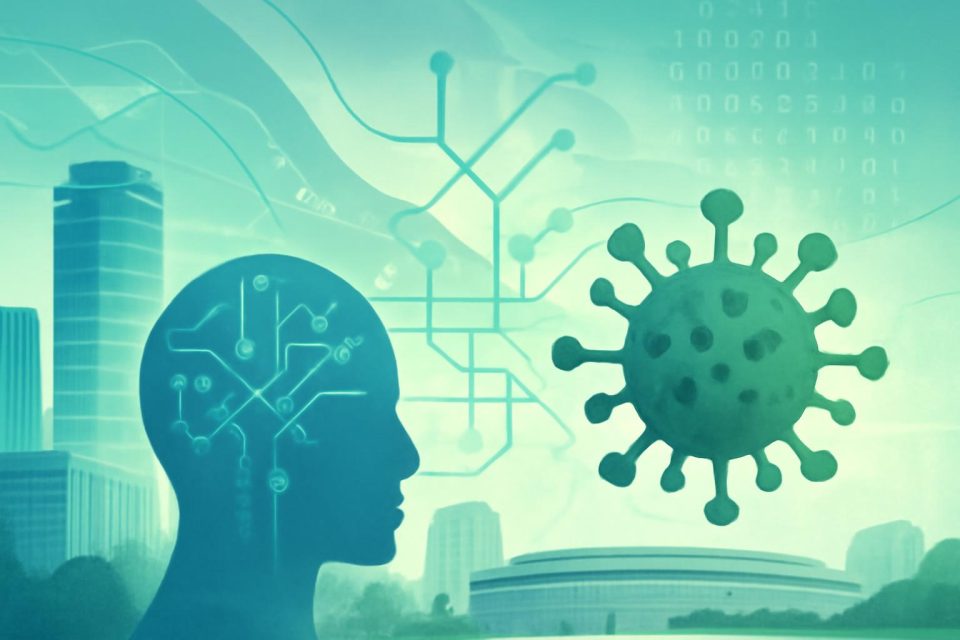
The modern landscape of biodefense requires innovative strategies to combat biological threats. As the world becomes increasingly interconnected, the importance of leveraging technology to enhance biological resilience is paramount.
Understanding Biodefense
Biodefense involves a series of measures aimed at protecting against biological threats, including pathogens and bioterrorism. In the intelligence age, the integration of advanced technologies plays a crucial role in developing effective responses.
Key Components of the Action Plan
- Data Analysis: Utilizing big data to track and predict biological threats.
- Collaboration: Encouraging partnerships between governments, private sectors, and research institutions.
- Research Investment: Funding for innovative research in biodefense technologies.
- Public Awareness: Educating the public on biological risks and preventive measures.
Why It Matters
Strengthening biodefense is essential for national security and public health. As new pathogens emerge, proactive measures can mitigate risks and enhance preparedness.
Implementing the Strategy
To effectively implement this action plan, stakeholders must:
- Assess current biodefense capabilities.
- Identify gaps in technology and response strategies.
- Develop a timeline for integrating new technologies.
- Monitor and evaluate the effectiveness of implemented strategies.
Future Considerations
As technology evolves, continuous adaptation of biodefense strategies will be necessary. Emphasizing flexibility and innovation will ensure resilience against future biological threats.
Conclusion
In the intelligence age, a robust action plan for biodefense is crucial. By leveraging technology and fostering collaboration, the capacity to respond to biological threats can be significantly enhanced.