Synopsis
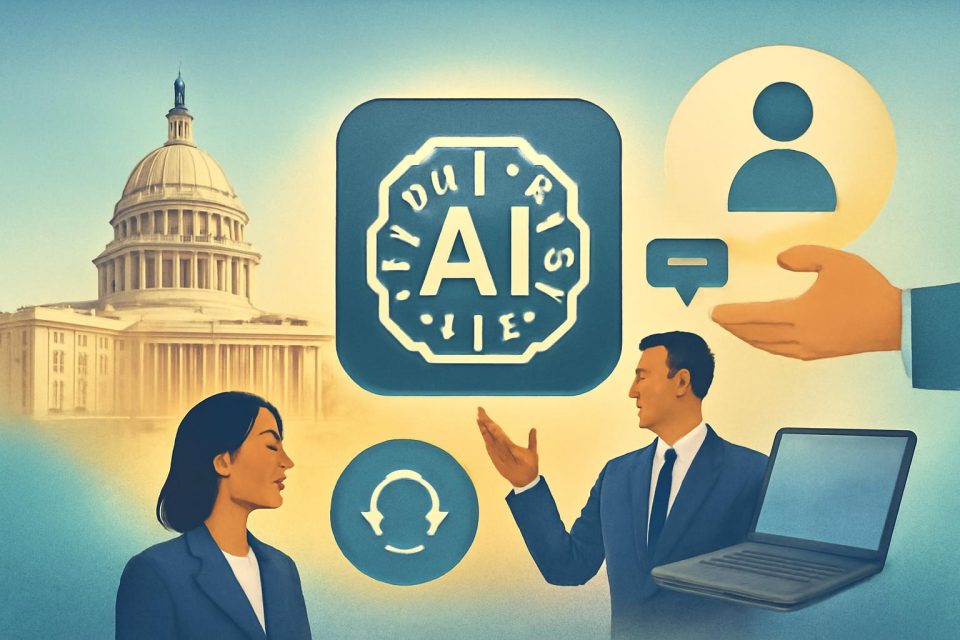
The minority affairs ministry is integrating artificial intelligence into its services. AI chatbots and voice solutions will soon support citizens in multiple languages. These advancements aim to streamline applications, improve Hajj pilgrim support, and boost employment for minority youth.Listen to this article in summarized format
The solution, which can be used to file applications, features an automated complaint process and scans through ministry documents and schemes.
The ministry is also keen to deploy Gnani.ai's voice-enabled AI solution for the Hajj platform which provides support in 10 languages. It can help notify the nearly 175,000 Hajj pilgrims from India every year about prayer timings, lost luggage, medical screenings and emergency help.
Officials said the move may help reduce the 200-odd government officials who now travel with Haj pilgrims to Saudi Arabia every year for the annual pilgrimage, managing queries, reviewing bookings and providing on-ground assistance. Connected to banking systems, the solution will also ensure seamless disbursement of refunds in the Hajj process which currently take up to eight months.
AI solutions for the National Minorities Development Finance Corporation are also in the pipeline.
“We are aiming to deploy AI-led technological interventions to further improve the schemes of the ministry, and ensure government services reach a much larger population,” said minority affairs minister Kiren Rijiju.
The ministry’s flagship initiative, PM Vikas scheme, designed to boost socio-economic empowerment and employment of minority youths, will also be integrated with AI to help the youths find jobs in their micro employment zones.
On Thursday, the ministry also signed a memorandum of understanding with Infosys co-founder Nandan Nilekani's non-profit Ekstep Foundation for developing human-focused AI use cases.