Synopsis
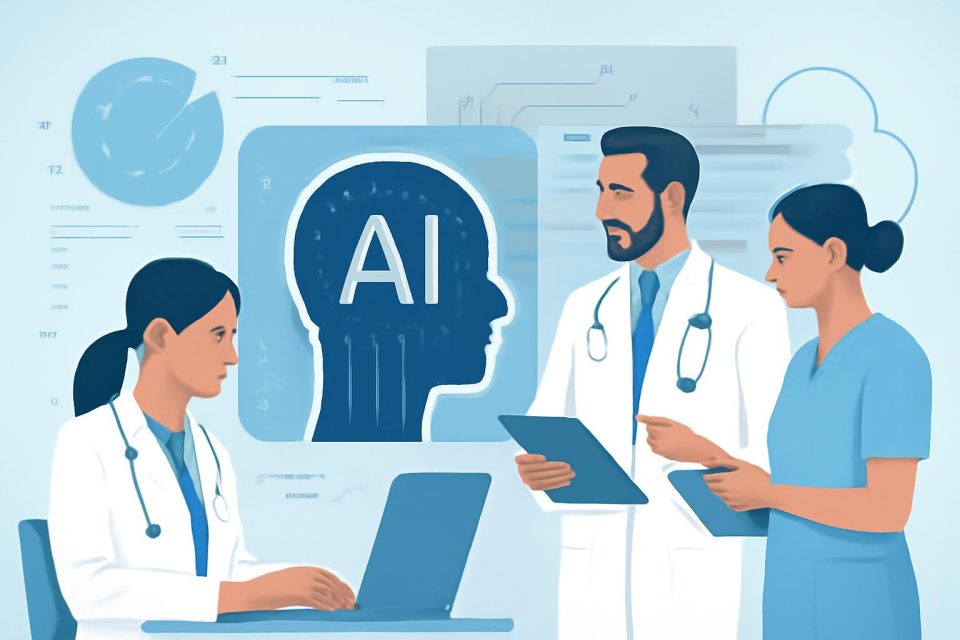
Artificial intelligence is helping doctors and nurses save time and see more patients. However, a Philips survey shows most healthcare workers lack proper training for these new tools. Many are using personal AI due to workplace limitations. Experts stress the need for better, role-specific training to ensure effective AI integration and human oversight.Listen to this article in summarized format
The study, Philips Future Health Index, was carried out through two quantitative surveys, one with 2,011 healthcare professionals and another with 20,085 patients across 10 countries.
Most AI use cases for healthcare professionals include using it as a "buddy" to discuss work-related ideas with, transcribing clinical notes or scheduling patient appointments
On the clinical side, AI can warn about dangerous drug combinations, suggest diagnoses based on symptoms or help analyse X-rays or scans
Of all surveyed professionals, 46% reported annual time savings of at least 132 hours on average, while 50% said AI had increased their capacity to see patients
Nurses and doctors said AI helped them be more precise and careful, better keep up with research and clinical developments, and think through cases in detail
But the use of AI has outpaced adoption by organisations, with 64% of clinicians turning to their personal AI tools when workplace options do not meet their needs
"The organizations aren't moving fast enough to provide the tools and the training," Philips' Chief Innovation Officer Shez Partovi told Reuters
70% of healthcare professionals said that training for AI-enabled tools was unavailable, limited or inconsistent at their organizations
"Expanding structured, role-specific training will help clinicians develop the digital skills and clinical judgment needed to work effectively with AI," the report said
Almost all professionals, 90%, said it was essential to keep a human in the loop as AI advances; 86% said all AI outputs required human oversight
(Reporting by Vera Dvorakova and Lucie Barbier in Gdansk, Editing by Milla Nissi-Prussak)