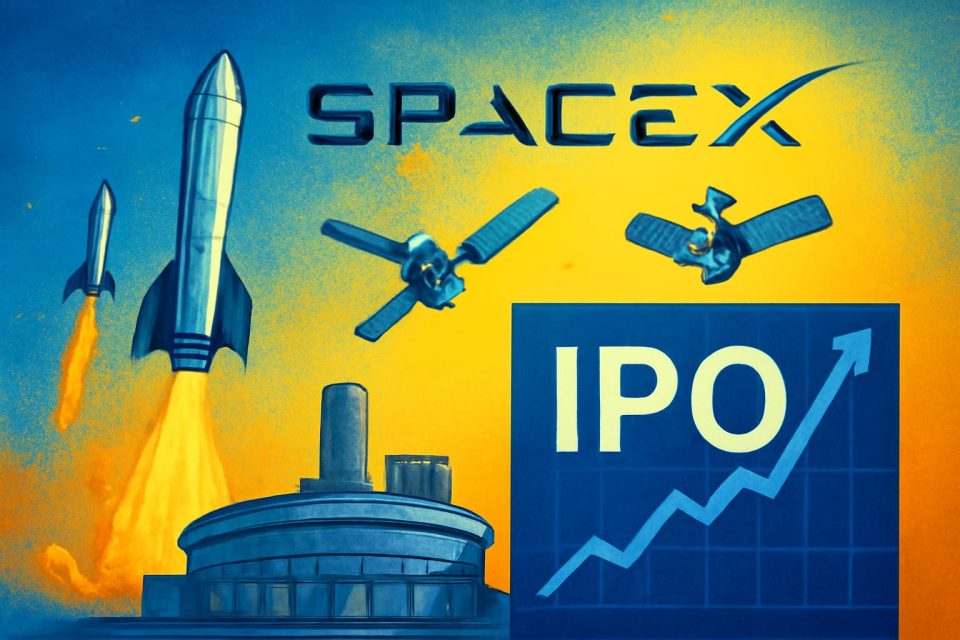
SpaceX made a significant entrance into the public market, debuting at $150 per share—an 11% increase from its initial IPO price of $135. During midday trading, the stock peaked at $176, elevating the company's market capitalization to nearly $2.3 trillion, thereby ranking it as the sixth most valuable public company in the United States.
This surge in stock price was anticipated, with the IPO being oversubscribed by four times, indicating high demand among institutional investors who were unable to secure shares during the initial offering.
The limited availability of shares, with only about 4% of the total float being publicly traded, has contributed to the heightened demand. Most shares are held by early investors and employees. Additionally, SpaceX's successful lobbying for quicker inclusion into major indexes, such as the Nasdaq 100, is expected to further drive demand as institutional investors prepare to buy shares automatically.
The IPO also marks a historic moment for venture capital, with substantial returns for early investors. For instance, Founders Fund's $600 million investment is projected to yield over $50 billion at the IPO price. Other notable stakes include Andreessen Horowitz, valued at over $10 billion, and Sequoia, estimated at more than $20 billion.
Elon Musk's wealth is likely to see a dramatic increase from this IPO, potentially making him the world's first trillionaire. Reports indicate that around 4,400 current and former SpaceX employees will become millionaires, with approximately 400 achieving centimillionaire status.