Synopsis
IndiaAI Mission has fostered the creation of 20 foundational artificial intelligence models. Five of these models have now been released. Avataar AI has launched Varya, the first homegrown distilled video generation model. This technology significantly speeds up video creation and reduces costs. The government is actively supporting the development of these crucial AI tools.Listen to this article in summarized format
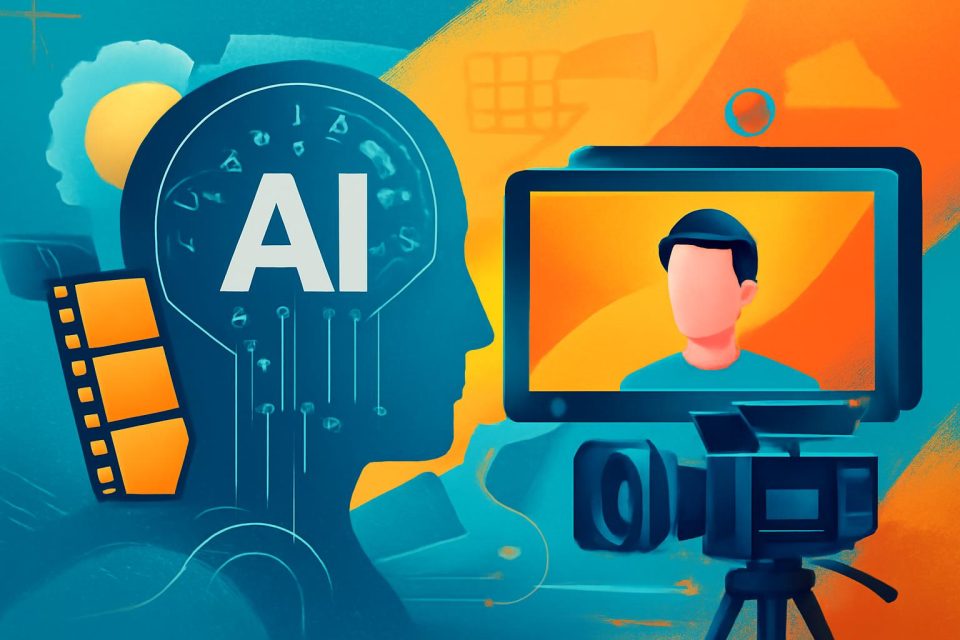
Krishnan was speaking at the launch of Varya, the first homegrown distilled video-generation model created by government-funded startup Avataar AI.
Distilled video generation is a machine learning technique where a compact ‘student’ AI model replicates the outputs of a larger ‘teacher’ model while eliminating redundant computation, producing similar results much faster and with less compute power.
Varya reduces the number of steps for video generation from 50 to four and churns out videos at a cost of just Rs 0.48 per second.
Sravanth Aluru, CEO and cofounder of Avataar AI, said the model is a fully made-in-India product. Even the compute and engineers used to build it were Indian.
“In the future, where AI and robotics will come together, robots will have cameras, but they will need vision AI that can understand the world,” Aluru said.
For developing sovereign models, the government funds research consortia, subsidises access to over 38,000 graphics processing units (GPUs), and supports a cohort of selected technology organisations.
The foundational models released so far include IIT Bombay-based academic consortium BharatGen's multimodal large language model (LLM) designed to integrate text, speech, and image understanding across 22 Indian languages, and a 105 billion parameter model by startup Sarvam.
The Centre is supporting numeric models as well as those assisting in scientific models and medical diagnostics. As these models become more prevalent and available in India, India's data and experiences will be shared and used more widely within the country, Krishnan said.