Synopsis
The Indian government is developing a strategy for domestically controlled AI infrastructure to enhance AI adoption in governance and cultivate skilled talent. NITI Aayog is identifying ecosystem gaps and recommending measures to bolster India's independent AI development and deployment capabilities, potentially expanding the existing India AI Mission.Listen to this article in summarized format
As part of the exercise, the Centre has asked the NITI Aayog to identify gaps in the current AI ecosystem and recommend measures to strengthen India’s capability to independently develop and deploy AI using its own infrastructure and workforce, the person said.
“The recommendations could be used to expand the scope of the existing India AI Mission, or rolled out as a fresh initiative,” said the official.
This could be version 2.0 of the AI Mission, which was floated by NITI Aayog and rolled out by the ministry of electronics and information technology (MeitY) in 2024, with an allocation of Rs 10,372 crore, the person said. The move is driven by concern that Indian companies may not have access to latest AI models, for which they are mostly dependent on US firms. The US has barred Anthropic from sharing its latest model with foreign entities.
Stronger regulations ahead
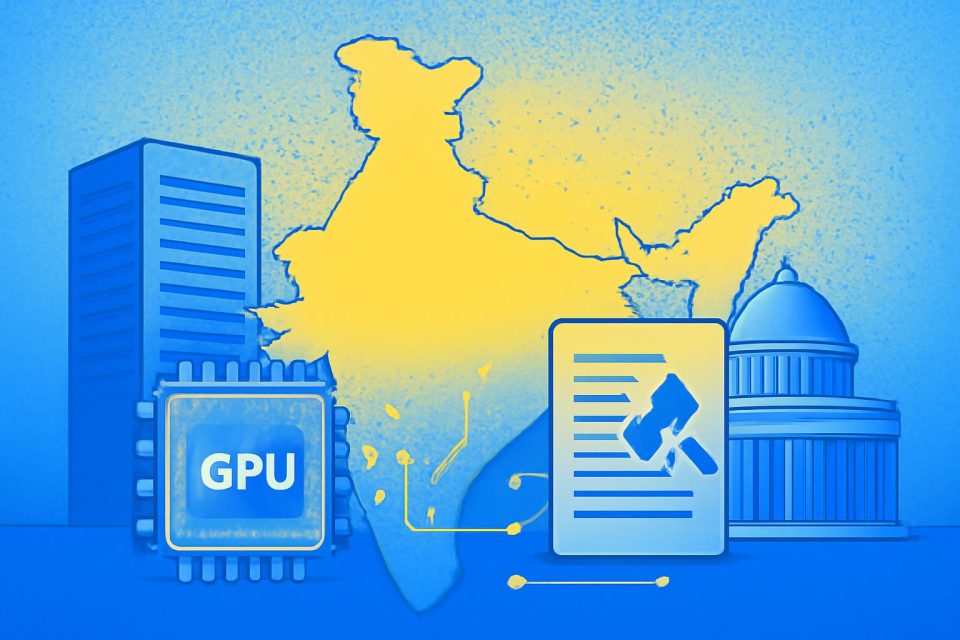
According to the official, the next phase would focus on building more localised data centres and GPU (graphics processing unit) clusters while reducing reliance on foreign cloud providers to ensure processing operations remain within India. It would also strengthen the regulatory framework across sectors such as health, finance and defence to prevent data leakage.
Under the five-year AI Mission, MeitY is responsible for building foundational computing infrastructure, which includes deploying tens of thousands of GPUs, managing data platforms, supporting startups and administering responsible AI guidelines.
While India is actively integrating AI into its digital public infrastructure to enhance governance, its adoption rate is below 50%, indicating the potential for much greater and faster implementation across citizen-centric services.
According to a recent report by the Competition Commission of India, the global AI market is projected to grow to $1 trillion by 2031, from $244.22 billion in 2025. In India, it is expected to expand to $31.94 billion by 2031, from $7.84 billion in 2025.