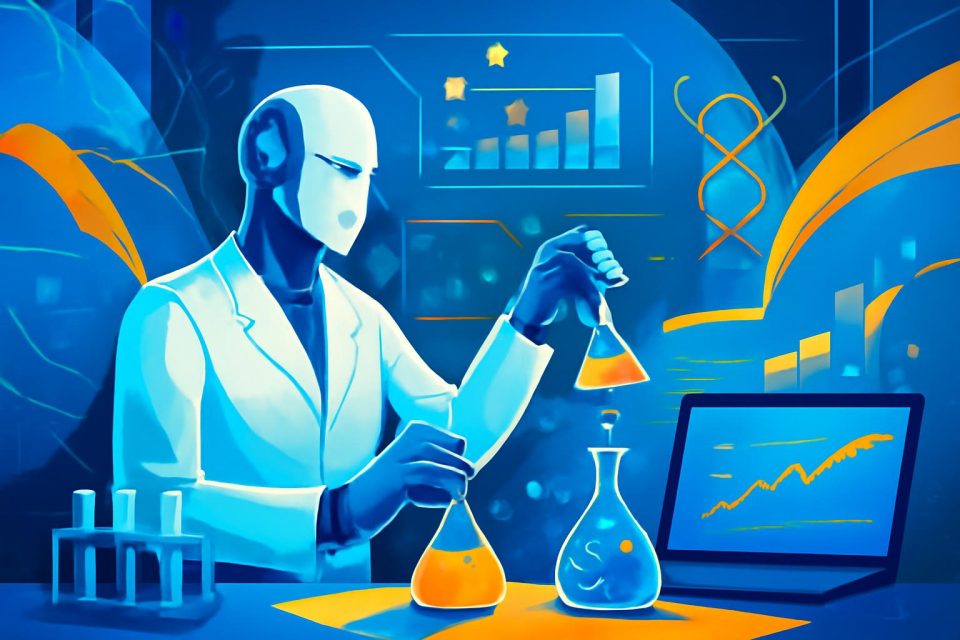
In a significant advancement for medicinal chemistry, OpenAI and Molecule.one have introduced a near-autonomous AI chemist that utilizes GPT-5.4. This innovative technology has successfully improved a critical drug-making reaction, showcasing the potential of AI in pharmaceutical research.
Key Improvements
The AI chemist has optimized a reaction that is often challenging in the drug development process. By leveraging advanced algorithms, it can analyze vast datasets and identify more efficient pathways for chemical synthesis.
Why It Matters
This development is crucial as it could streamline the drug discovery process, making it faster and more cost-effective. The ability to enhance key reactions can lead to the creation of more effective medications, ultimately benefiting patient care.
How It Works
- Data Analysis: The AI chemist processes extensive chemical data to identify optimal conditions for reactions.
- Reaction Optimization: It suggests modifications to traditional methods, improving yields and reducing byproducts.
- Iterative Learning: The system learns from each experiment, continually refining its approach.
Implications for the Future
The successful application of this technology could lead to a new era in drug development, where AI plays a central role in research and discovery. As the pharmaceutical industry faces increasing pressure to innovate, tools like the AI chemist may become indispensable.
Next Steps for Researchers
Researchers are encouraged to explore the integration of AI technologies in their workflows. Collaborations with AI experts can enhance experimental designs and lead to breakthroughs in drug research.
Conclusion
The collaboration between OpenAI and Molecule.one marks a pivotal moment in medicinal chemistry, demonstrating how near-autonomous systems can tackle complex challenges in drug synthesis.