Synopsis
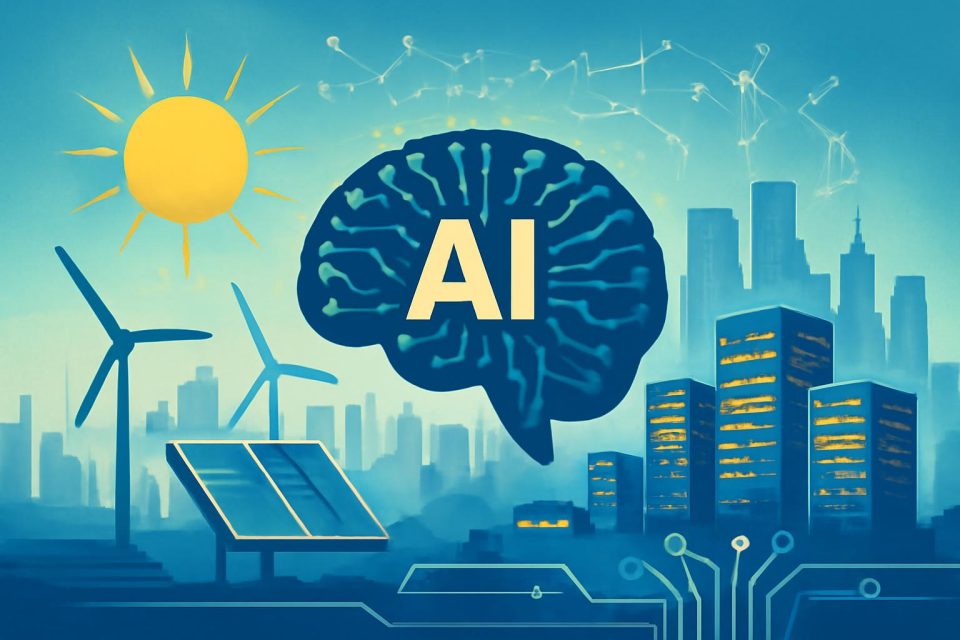
As AI reshapes how software is built, Epsilon’s engineering leaders share how product thinking, ownership, and global collaboration are redefining the role of engineers, from writing code to shaping business outcomes.At the same time, the nature of engineering itself is changing. AI is not just speeding up development. It is redefining how software is imagined, built, and improved. The role of an engineer is moving from executing tasks to shaping systems and outcomes.
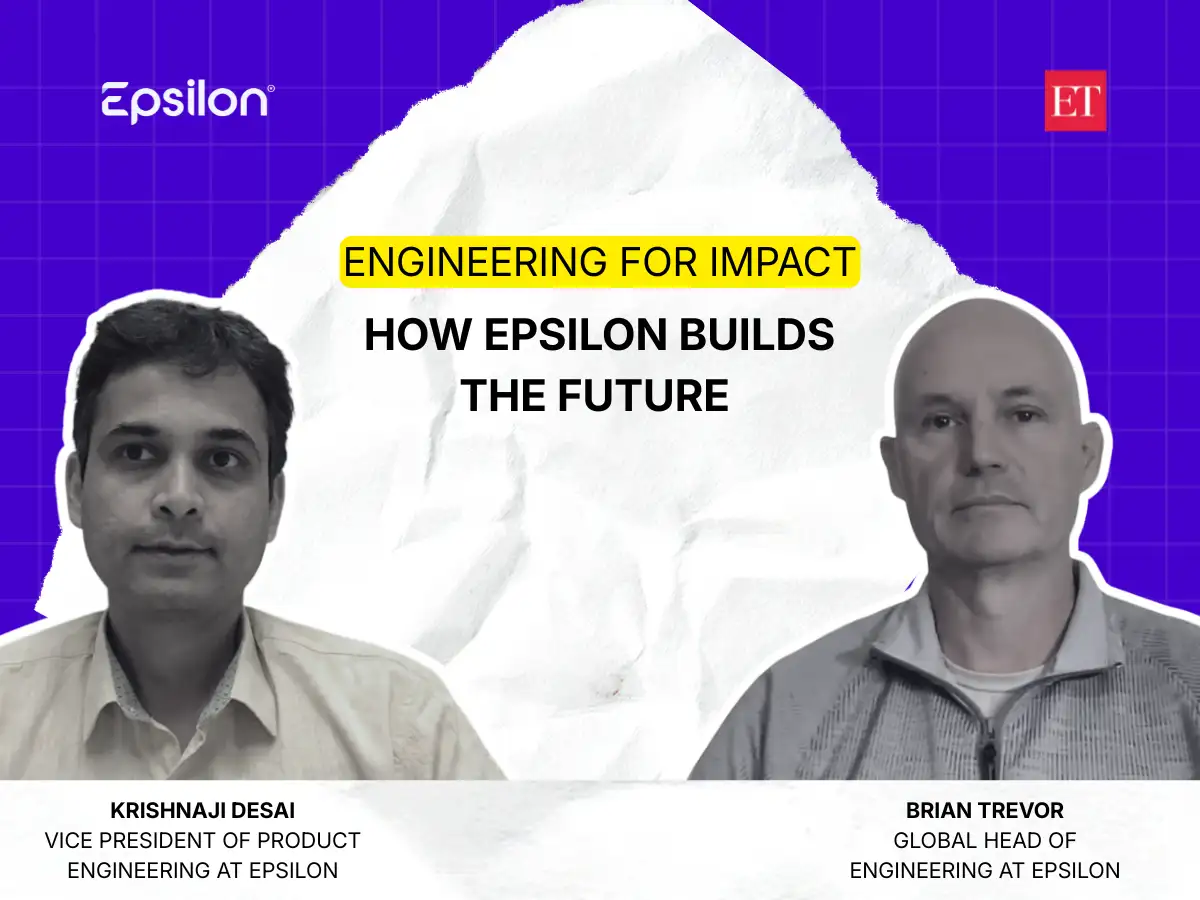
This shift was at the centre of Engineering for Impact – How Epsilon Builds the Future, Episode 2 of the Economic Times Inside Epsilon series, featuring Brian Trevor, Global Head of Engineering, and Krishnaji Desai, VP of Product Engineering and India Site Leader at Epsilon. The conversation explored how Epsilon builds global platforms, and what that means for engineers today.
Engineering for Impact: How Epsilon builds the future
What does it take to build systems that operate at global scale? In this episode of Inside Epsilon, Brian Trevor and Krishnaji Desai explore how engineering is changing from task execution to outcome ownership, from static builds to AI-driven systems. They discuss product thinking, platform design, and how engineers today shape real business impact.From shipping software to delivering outcomes
For years, engineering success was measured by timelines and output. Did the system go live? Did the feature ship? That definition no longer holds.
At Epsilon, the shift has been deliberate. “It’s not about shipping software - it’s about creating outcomes that matter,” said Trevor. The focus has moved to impact. Does the system scale? Does it improve customer experience? Does it drive business value?
This product-led engineering mindset pushes teams to think beyond their modules and understand the larger systems they are part of. It expands the role of engineers from execution to ownership.
For India’s engineering workforce, this creates a different path. One where engineers are not just contributing to systems, but shaping them.
What building at scale really demands
Epsilon’s platforms operate at a scale where decisions happen in real time, across millions of consumers and interactions. That changes how systems are designed.
“Scale, resilience, and performance aren’t features — they are defaults,” Trevor noted. Systems are built to evolve continuously, not remain fixed. Components can be replaced, extended, or reworked without starting over.
This requires discipline and clarity. Teams across geographies work on the same platforms, with shared standards and shared ownership. What is built in one location is used globally.
India as a centre of engineering innovation
Epsilon India’s journey reflects this shift. Over time, it has moved from supporting execution to shaping core platform capabilities.
“India is not an execution centre — it is an innovation hub,” Desai said. Teams here work on architecture, data systems, and platform design, not just implementation.
In areas like data pipelines and orchestration, ideas developed in India have become part of global products. The work sits at the core of how platforms evolve, not at the edges. This is part of a broader shift in global engineering models, where ownership is shared and innovation is distributed.
AI and the changing craft of engineering
AI is accelerating this transformation. Development cycles are shrinking. What once took months can now be built and tested in weeks. Iteration is faster, and feedback loops are tighter. But the deeper change is in how engineers spend their time.
“AI is becoming a co-engineer,” Desai explained. It is taking on repetitive tasks like code generation and debugging, allowing engineers to focus more on problem solving, system design, and quality.
Trevor described this as a step change. AI is collapsing traditional workflows and blending stages of development that were once separate. The focus is shifting from how something is built to why it is being built. Even so, fundamentals remain critical. Enterprise systems still require rigour. Reliability and scale cannot be compromised.
From individual contribution to system ownership
As engineering evolves, expectations from engineers are changing. The role is no longer about completing tasks. It is about owning outcomes. Engineers are expected to understand the business context, the user impact, and the long-term behaviour of the systems they build.
This also changes how teams operate. Collaboration across product, data, and engineering becomes central. Decisions are made with a shared understanding of impact.
At Epsilon, this translates into what Desai described as “freedom with responsibility,” where engineers have autonomy, but are also accountable for what their work delivers.
What this means for engineers today
For engineers entering or navigating the industry today, technical skills remain important, but they are only the starting point. What matters more is the ability to think in systems, adapt quickly, and stay close to the problem being solved. Engineers now have the ability to influence outcomes at scale, to build platforms used globally, and to grow across domains.
The challenge is equally real. It requires moving from doing assigned work to taking responsibility for what that work achieves.
Engineering is no longer just about building software. It is about building impact. And for those willing to make that shift, the future of engineering will be defined not by what you build, but by what it changes.
In Video: Engineering for Impact: How Epsilon builds the future (This article is generated and published by ET Spotlight team. You can get in touch with them on [email protected])