Synopsis
Apple marks its 50th anniversary. The tech giant has shaped pop culture and industry since 1976. Discover intriguing facts about its logo, the iconic '1984' ad, its use of bold colours, the 9:41 time on product screens, and the story of its third co-founder. Here is a glimpse into Apple's remarkable journey.Here are five things you may not know about the history of the California giant.
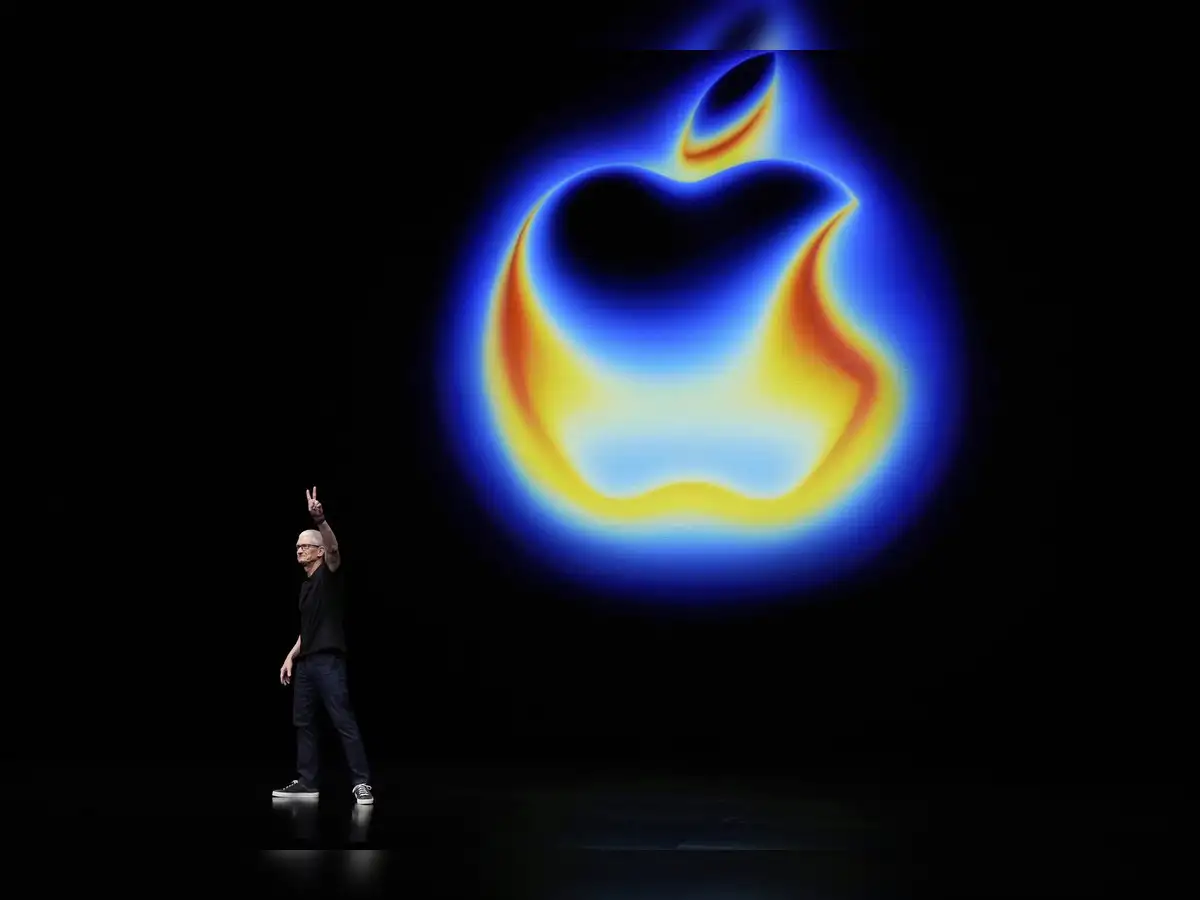
Apple logo
Designer Rob Janoff said that Apple cofounder Steve Jobs gave him one terse instruction when he commissioned a new logo in January 1977: "don't make it cute".
"I just wanted to make the computer easy and fun to be around," Janoff told Forbes in 2018.
He included the bite mark for scale to set the apple apart from similar round fruit like cherries -- learning only later it was a homonym for the computer term "byte".
And belying urban legends, there was no link to the Biblical story of Adam and Eve or the death of computing pioneer Alan Turing.
Janoff added that the Apple job was "the only time in my entire career where I presented only one solution" to a client.
"But it was just so right".
'1984' ad
In a totalitarian sci-fi world, a hammer thrown by a young athlete smashes a "Big Brother" figure declaiming to brainwashed citizens from a vast screen.
Tens of millions of Americans saw director Ridley Scott's one-minute Apple advert during the Super Bowl on January 22, 1984.
Broadcast with an announcement of the release of the Apple computer, it was more than a little inspired by George Orwell's dystopian novel named for the year.
The ad's originality lay in the fact it did not directly show off the product, but instead promised a new world of emancipation for consumers thanks to home computers.
Bold colours
Apple's devices have over the years played with colour to set themselves apart from more staid competitors.
Its first-generation iMacs, released in 1998, offered transparent shells in candy-like blue, green and more -- combining a pop of visual interest with a glimpse at the high tech workings within.
The iPod music player, at first available in metallic grey, quickly diversified into a whole spectrum of bright colours.
Later, the "rose gold" variant of the iPhone 6S in 2015, spawned many copycats, surfing a years-long trend dubbed "millennial pink".
09:41 photos
Anyone who has watched more than one Apple product announcement or browsed its website will see a remarkable coincidence: almost every screen appears to show the time as 9:41 am.
Australian game developer Jon Manning said he asked Scott Forstall, then-head of Apple's mobile operating system iOS, about the phenomenon when he bumped into him in California in 2010.
Forstall explained that the timing was down to Steve Jobs' preferred structure for announcements.
"We design the keynotes so that the big reveal of the product happens around 40 minutes into the presentation," Forstall said.
"When the big image of the product appears on screen, we want the time shown to be close to the actual time on the audience's watches. But we know we won't hit 40 minutes exactly".
Apple's third man
Steve Jobs and Steve Wozniak have gone down in history as the Apple co-founders.
In fact, a third man also signed the three-page contract that launched the company on April 1, 1976: Ronald Wayne.
According to Walter Isaacson's biography of Jobs, Wayne, an engineer at the Atari video game company, was in charge of hardware engineering and documentation in the fledgling business.
But while his two co-founders were throwing themselves into the business, Wayne feared losing what little savings he had if Apple failed.
Just 11 days later, he gave up his co-founder status, selling his 10 percent stake for two instalments of $800 and $1,500.
That 10-percent share of Apple would have been worth around $370 billion by 2026.