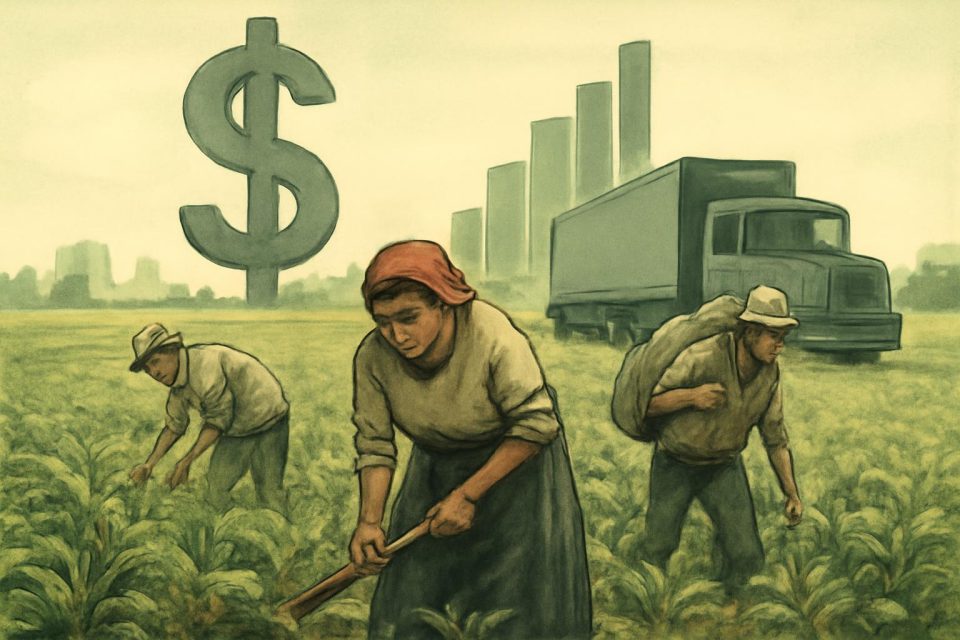
The recent correction in the agricultural sector has brought to light the difficulties faced by venture-backed farming models. These models often struggle to align with the realities of smallholder farming, which is characterized by unique challenges in monetization and distribution.
Understanding the Challenges
Venture-backed agricultural initiatives have encountered several obstacles:
- Smallholder Farming Dynamics: Smallholder farmers often operate on limited resources and face significant risks, making it difficult for venture-backed models to succeed.
- Weak Monetization Strategies: Many of these models have not developed effective ways to monetize their offerings, leading to financial instability.
- High Distribution Costs: The logistics of getting products from farms to markets can be prohibitively expensive, further complicating profitability.
Key Takeaways
As the agricultural landscape evolves, several lessons can be drawn from this situation:
- Understanding local farming practices is crucial for success.
- Innovative monetization strategies are needed to ensure sustainability.
- Efficient distribution channels must be established to reduce costs.
Why It Matters
The struggles of venture-backed farming models are significant not only for investors but also for the future of food security. Addressing these challenges is essential for creating a resilient agricultural sector that can support smallholder farmers.
What to Do Next
Stakeholders in the agricultural sector should consider the following actions:
- Invest in research to understand smallholder needs better.
- Develop partnerships that enhance distribution efficiency.
- Explore alternative funding models that align with the realities of farming.