Synopsis
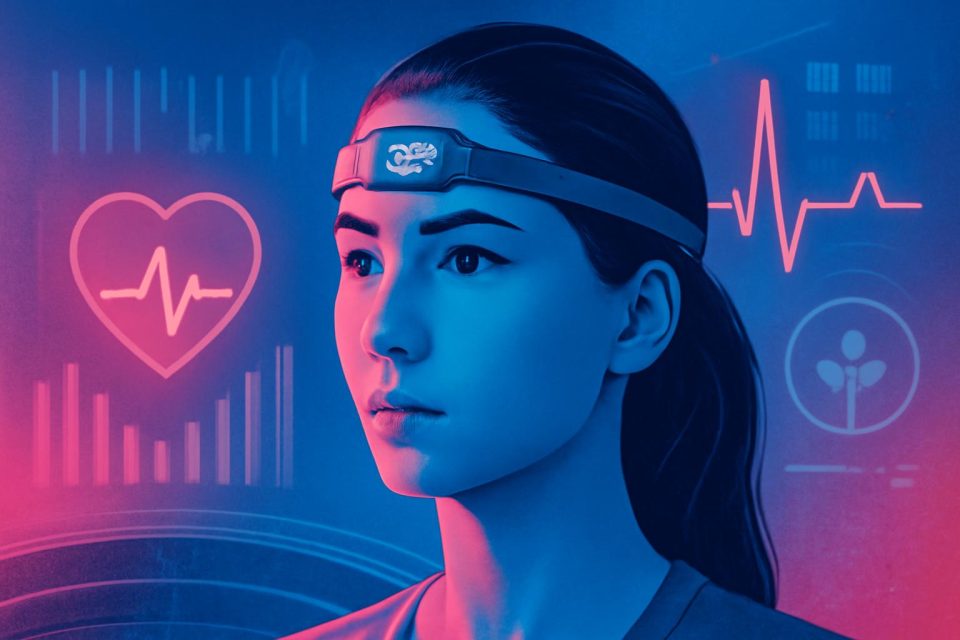
A study conducted during a badminton match tested three devices — the Eternal founder’s startup Temple's head-mounted heart rate (HR) tracker (Temple HR), a Polar HR, and a popular screenless wrist fitness tracker. While this may only reflect early progress, it is in line with the broader industry shift toward exploring new wearable formats, such as smart rings and audio-based devices beyond traditional wrist-worn trackers.Goyal wrote in a post on X that Temple’s heart rate tracker, during a badminton game, significantly outperformed wrist-worn fitness devices, aligning far more closely with gold-standard measurements.
The study tested three devices, including Temple's head-mounted heart rate (HR) tracker (Temple HR), a Polar HR, and a popular screenless wrist fitness tracker.
The Polar HR refers to a widely recognised, highly accurate heart rate monitoring technology by Polar Electro, a Finnish sports training computer manufacturer, considered a ‘gold standard’ for tracking physical exertion.
The results showed that Goyal’s Temple HR closely matched the Polar system in recording heart rate beats per minute (BPM). In contrast, the wrist tracker lagged considerably behind, reporting an average of just 120.5 BPM compared to Temple and Polar’s 142.1 and 141.4 BPM.
Goyal claimed that this was primarily because of the physical advantage of Temple’s location on the forehead region. He claimed that the temple area of the forehead features thinner skin and is highly vascularised, meaning it has many blood vessels, allowing optical sensors to capture blood flow signals more clearly. Additionally, he added that the region experiences significantly less motion compared to the wrist during physical activity.
While Goyal’s claim does not mean it is scientifically verified and may only reflect early progress, it aligns with a broader industry shift toward exploring new wearable formats, as is evident in the rise of smart rings and audio-based devices beyond traditional wrist-worn trackers.
Sharing this statistic, Goyal wrote, “Heart rate is just one of the simpler things. Temple sees more,” indicating that the wearable device, which is being developed to measure cerebral blood flow, could provide deeper insights into individual health.
In February, the startup raised $54 million (Rs 493 crore) in seed funding, at a $190 million (about Rs 1,700 crore) post-money valuation.