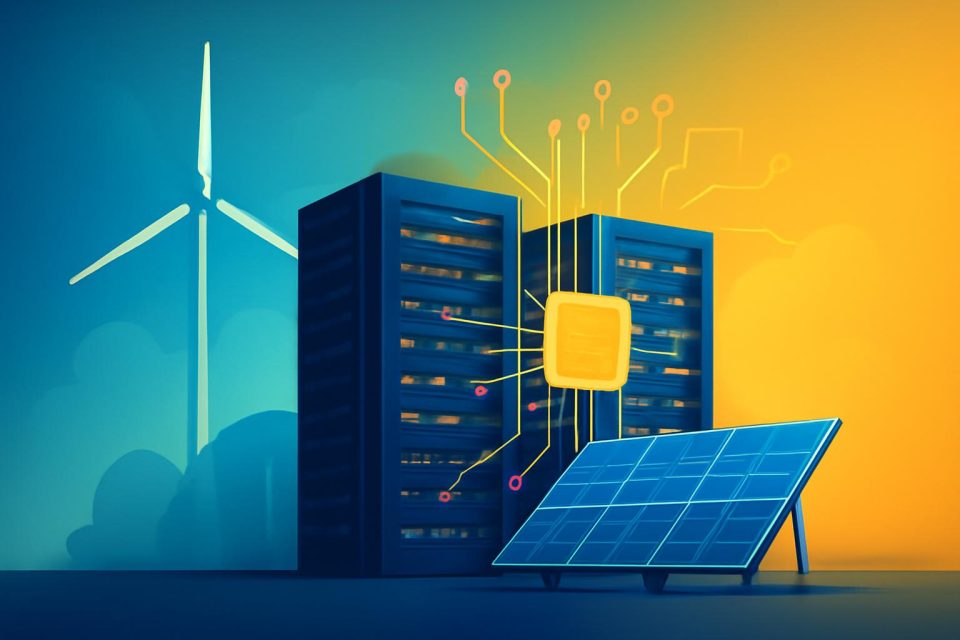
Microsoft is re-evaluating its ambitious 2030 goal of matching its hourly electricity consumption with renewable energy. The company is facing significant challenges due to the increasing energy demands of new data centers built to support artificial intelligence initiatives.
According to reports, discussions are ongoing regarding the possibility of postponing or even abandoning the renewable energy target. This shift is largely influenced by the substantial power requirements associated with the rapid expansion of AI infrastructure.
Impact of AI on Energy Consumption
The surge in AI technologies has led to a greater need for energy, prompting Microsoft to reconsider its climate commitments made prior to the current AI boom. The company's plans for new data centers, which are expected to have multiple gigawatts of capacity, are reshaping its approach to sustainability.
For context, a single gigawatt can power approximately 750,000 U.S. homes, highlighting the scale of energy consumption that Microsoft is now grappling with.
Industry Trends
- Microsoft, along with competitors like Amazon and Alphabet, is investing heavily in AI infrastructure.
- New data centers are driving demand for energy sources, including natural gas and nuclear energy.
- Microsoft's recent power deal with Constellation Energy aims to revive a unit of the Three Mile Island nuclear plant.
The ongoing discussions suggest that no final decision has been reached regarding the renewable energy goal, and Microsoft has not yet provided a public comment on the matter.
Future Considerations
Why it matters: The potential delay in Microsoft's renewable energy target could have broader implications for the tech industry’s sustainability efforts. As companies ramp up AI capabilities, balancing energy consumption with environmental commitments will be crucial.
As the situation evolves, stakeholders will be watching closely to see how Microsoft navigates these challenges and what it means for its long-term sustainability strategy.