Synopsis
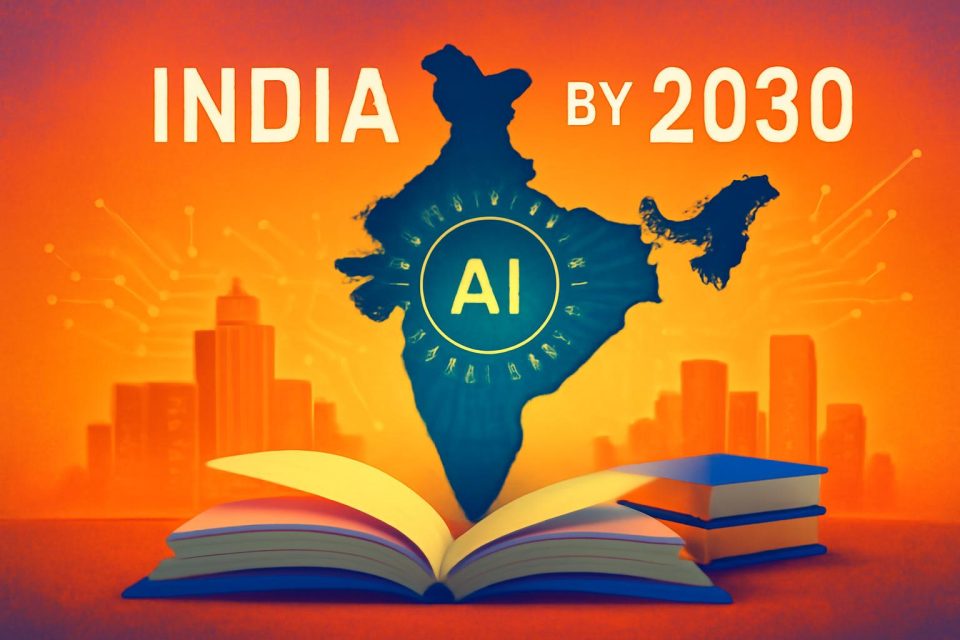
With the right investment in education and training, India is on track to emerge as the global hub for artificial intelligence skills by 2030. IBM India & South Asia's Managing Director, Sandip Patel, expresses optimism about this prospect, estimating that AI could inject over $500 billion into the country's economy.Speaking to on the sidelines of the launch of the joint IBM-IndiaAI report titled "From promise to power: How AI is redefining India's economic future", Patel said India already has a large AI-aware workforce base, but scaling it further would make the country a major global AI talent hub.
"Today the workforce, the addressable workforce, if you will, in India, give or take, is about 600 million employees, 600 million workers," Patel told ANI.
"What the report is stating is that about 30% of that, which is almost 200 million workers, they are AI literate. That is a huge number," he said.
Patel added that India's position could strengthen significantly if AI literacy expands further over the next few years.
"Now, if you can increase that to 60%, almost 60% by 2030, we will become a very formidable power in India with an AI-literate workforce," he said.
"And if you think about what the world needs in terms of AI literacy and the workforce, we can truly become the skill capital of the world as far as AI is concerned," Patel added.
The report by IBM and IndiaAI said artificial intelligence could contribute more than $500 billion to India's economy by 2030, with enterprises increasingly viewing AI as a major driver of economic growth.
Patel, however, said many companies are still struggling to move AI adoption beyond pilot projects due to several operational and structural challenges.
"A lot of them have not moved from pilot to scale for a variety of different reasons. One of them being data readiness," he said.
"A lot of organisations don't have data ready that can actually enable them to scale AI," Patel added.
He further said trust and governance issues are also slowing enterprise AI adoption.
"Trust and AI governance. Whether you can trust the outcomes that AI is delivering and whether you have the right kind of governance for responsible AI," he said.
Patel also stressed the need for leadership-level AI understanding within organisations.
"Skill sets... And it's not about just employees' skills, do you have executives and managers who are running the company, right? If they fully appreciate how to use AI to drive value and embed AI within the business processes to really unleash the value of AI," he said.
Addressing concerns around job losses due to AI, Patel said technological changes have historically transformed the nature of work rather than eliminating jobs entirely.
"AI is both creating productivity improvements, which is changing the complexion of jobs, but it's also creating new skill sets that people have to adapt and learn, which then creates newer jobs," he said.
"It allows people to drive greater productivity and grow their businesses through the productivity improvements that are happening through AI. That's the way we have to look at it," Patel added.