At Google Cloud Next '26, significant advancements in streaming AI were unveiled, aimed at enhancing real-time data processing and enabling autonomous actions for AI agents. The new features are designed to address the challenges organizations face in leveraging real-time data effectively.
Challenges in Real-Time Analytics
Organizations encounter two primary challenges when implementing real-time analytics:
- Real-time context implementation: Many teams resort to batch-oriented data approaches, leading to reliance on outdated information or memory-intensive processes. This results in a lag that hampers the effectiveness of tasks such as fraud detection and dynamic recommendations.
- Inflexibility of real-time systems: Current agentic tools often lack the modularity needed to adapt to specific organizational requirements, forcing difficult architectural decisions.
Google Cloud's Streaming Data Platform
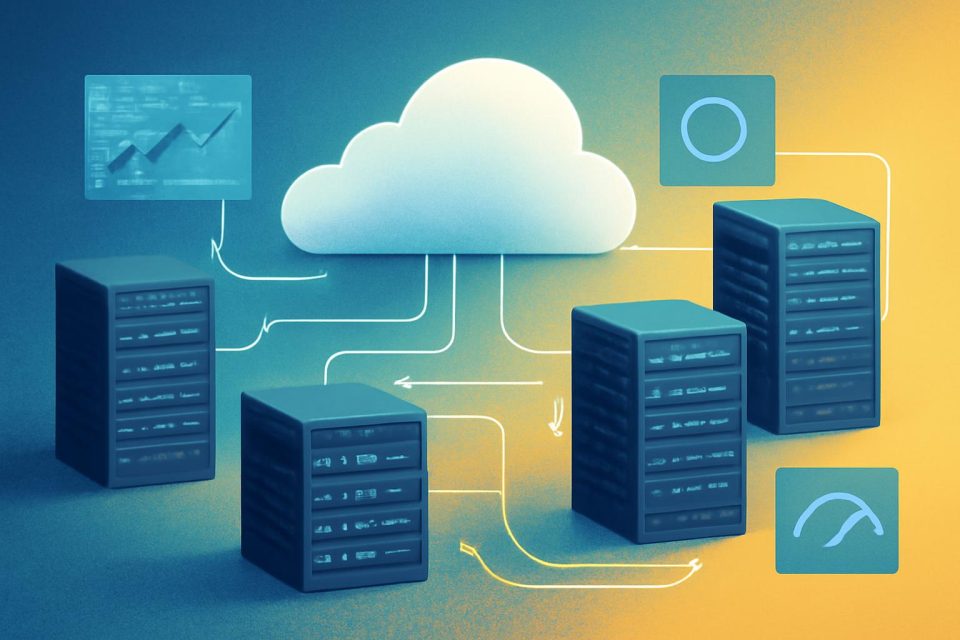
Google Cloud's unified streaming data platform integrates several key services to address these challenges:
- Pub/Sub: A reliable, serverless messaging service for event streaming that integrates with other Google Cloud services.
- Dataflow: A serverless engine for processing both batch and streaming data, utilized by major organizations for real-time applications.
- Managed Service for Apache Kafka: A fully managed solution for running the popular streaming storage system on Google Cloud.
- BigQuery: A platform for real-time data ingestion and analysis, enabling immediate insights through continuous queries.
- Bigtable: A NoSQL database designed for processing streaming data with low-latency results.
New Streaming AI Features
The newly announced features at Next '26 focus on three main areas:
- Real-time enriched context for agents: New capabilities include Pub/Sub AI Inference SMT for running inference on streamed messages and Pub/Sub Bigtable subscriptions for direct data streaming into Bigtable.
- Resource management by agents: The Model Context Protocol (MCP) now supports various services, allowing agents to manage resources efficiently.
- Integration of multi-agent systems: Event-driven autonomous agents can now be incorporated directly into data streams, enhancing scalability and processing power.
Why It Matters
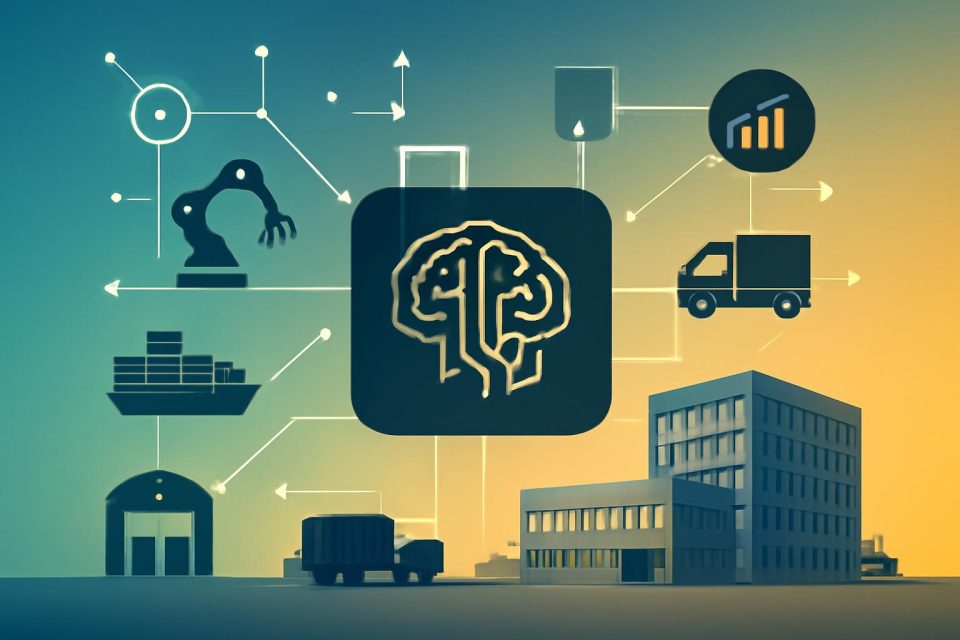
These advancements empower organizations to utilize real-time data more effectively, allowing for immediate responses to changing conditions. For example, supply chain agents can autonomously reroute shipments based on real-time data, while financial agents can detect and respond to fraudulent activities almost instantaneously.
Future Expectations
As Google Cloud continues to develop its platform, users can anticipate tighter integrations and more powerful capabilities, enhancing their ability to leverage streaming data for various applications.