Synopsis
Companies have limited payout increases to select high-demand micro-markets instead of implementing broad-based hikes this year. The pressure on rider earnings due to fuel price rise came into focus on Saturday when gig workers held a nationwide strike to demand higher payouts and a revised incentive structure.Listen to this article in summarized format
“Incentives have increased by only 5-6% this year, unlike the usual hikes (10-15%) we see in summer when there is a shortage of riders,” an industry executive told ET. “Platforms are facing cost pressures after packaging and logistics costs went up following the West Asia conflict.”
The pressure on rider earnings due to fuel price rise came into focus on Saturday when gig workers held a nationwide strike to demand higher payouts and a revised incentive structure. The strike did not significantly disrupt delivery or ride-hailing services, industry executives said.
“Incentives have increased by 5-6% but the same is highly dependent on the micro cluster of the store,” said Aashutosh Taparia, national head, last mile delivery, at Bigbasket. “At some places, it has gone by much larger percentage, and some places are unaffected.”
To be sure, delivery and ride-hailing companies raise incentives during April and May to retain workers on their platforms. This year, however, companies have limited payout increases to select high-demand micro-markets instead of rolling out broad-based hikes, industry watchers said.
“The increase in summer incentives for delivery riders has been far more measured compared to earlier years when platforms were rapidly expanding and competing aggressively for rider supply,” said Balasubramanian A, senior vice president at staffing firm TeamLease.
Analysts said ecommerce and quick-commerce firms are becoming more disciplined on costs amid demand volatility ahead of mid-year sales events.
Quick commerce companies have flagged a potential moderation in growth. For instance, Swiggy's Instamart reported a gross order value (GOV) of Rs 7,881 crore in the fourth quarter of FY26, 0.7% lower than the December quarter.
ET reported last week that analysts expect consumer demand to drop a further 6% in the coming three months due to rising crude oil prices, supply disruptions and cost hikes by brands.
Eternal, Swiggy, Zepto, Amazon and Flipkart did not respond to ET’s queries till press time on Monday.
Rising pressure on riders
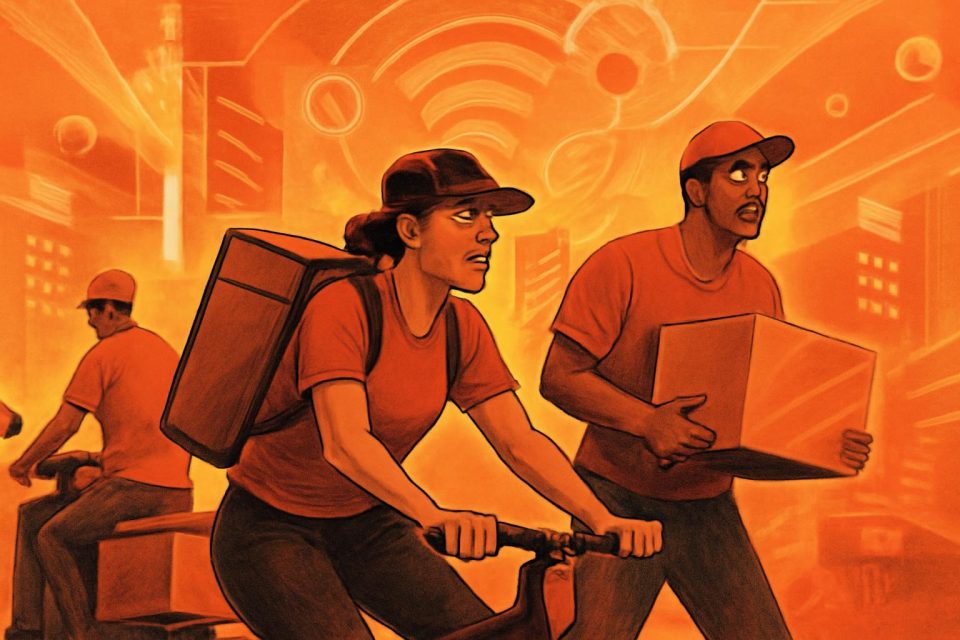
The Gig and Platform Services Workers Union held a strike on May 16 between noon and 5 pm to press for higher payouts and a better incentive structure.
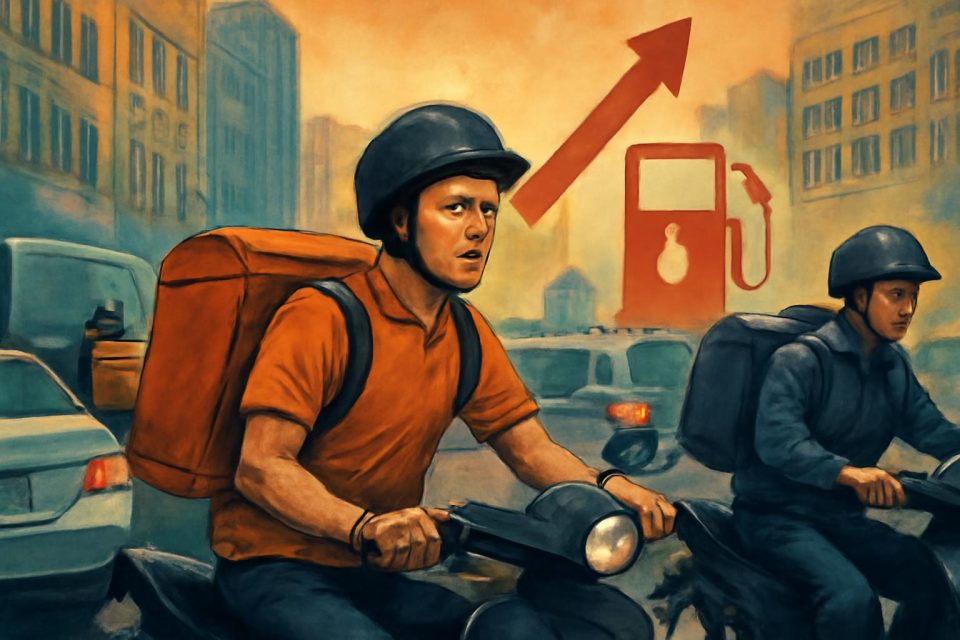
Delivery workers told ET that the current payout structure is becoming harder to sustain due to increasing petrol prices.
“I make around Rs 800 a day on weekdays and Rs 1,000-1,200 on weekends, excluding fuel costs. But now, with fuel prices going up, my earnings will fall,” said a food delivery rider in Bengaluru.
A quick commerce rider said payouts vary depending on demand and distance – rising as much as Rs 40 per order for match days or festivals.
Riders typically earn Rs 20-30 per order, depending on distance and location. Fuel accounts for a significant share of daily expenses for workers who use two-wheelers for deliveries.
“A Rs 2 increase in petrol price is not leading to a shrinkage in riders. A bunch of other factors including harvest season, summer and elections have together contributed to this,” said Sankalp Sharma, head of operations at Zippee, a quick commerce logistics startup.
The latest strike comes a few weeks after Indian Federation of App-Based Transport Workers (IFAT) wrote to the labour and employment ministry, urging the government to mandate heatwave protection for gig workers under the Code on Social Security, 2020.
ET reported on March 24 that predicting rider availability was proving unusually tricky this year due to the harvest season coinciding with legislative elections in West Bengal and Kerala, prompting many workers to return to their home states.